
 en
en 
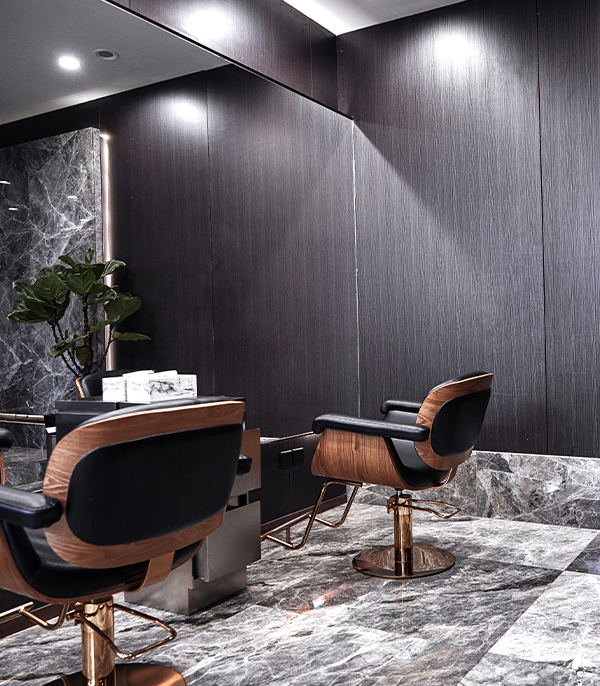
Choosing the best barber chair for your shop comes down to five core factors: hydraulic pump quality, weight capacity, upholstery durability, recline range, and how well the chair's aesthetic fits your brand. Get these five right and everything else — client comfort, barber workflow, and long-term return on investment — follows naturally. This guide gives you the practical framework to make a confident, data-backed decision, whether you are outfitting a single station or sourcing wholesale for a multi-location operation.
A professional barber chair is the single most-used piece of furniture in any barbershop. The average barber completes 8 to 14 client sessions per day, meaning a commercial chair endures 2,500 to 4,500 sit-cycles per year. At that rate, a chair built to residential standards will fail within 18 months, while a properly specified heavy duty barber chair with a quality hydraulic pump and reinforced frame will reliably serve a decade or more. The selection decision is not cosmetic — it is structural and operational.
The Hydraulic Pump: The Most Critical Component in Any Barber Chair
The hydraulic system is the mechanical heart of every hydraulic barber chair. It determines height adjustment range, load-bearing consistency, and how long the chair remains fully functional before requiring service. Most commercial-grade chairs offer a height range of 17 to 25 inches from floor to seat, providing an 8-inch travel range that accommodates barbers of different heights and services requiring different working positions.
The key specification to verify is the barber chair hydraulic pump rating — specifically its maximum load capacity and cycle rating. Entry-level pumps are rated to 200–250 lbs and 50,000 cycles. Commercial-grade pumps handle 350–400 lbs and exceed 100,000 cycles before requiring a rebuild. For a busy shop with multiple barbers sharing chairs across shifts, the pump cycle rating directly translates to years of reliable service.
Pump quality is also detectable through the feel of the lift. A quality adjustable barber chair rises smoothly with a single pump stroke per inch of travel and holds position without drift when the lever is released. A chair that slowly sinks during a service session is showing early pump degradation — and in a professional environment, this creates both safety and workflow problems.
Hydraulic Pump Performance by Grade (Max Load & Cycle Rating)
This chart illustrates the performance gap between entry-level and commercial-grade hydraulic pump systems in barber chairs. A commercial-grade pump's 400 lb load rating provides a safety margin for the full range of adult clients, while the 100,000+ cycle rating translates to more than 20 years of service in a typical single-barber shop. Entry-grade pumps rated at 220 lbs and 50,000 cycles may be adequate for low-volume home use but will underperform and require replacement within 3 to 5 years in a busy commercial barber chair application. When evaluating any barber chair for sale, always request the pump specification sheet, not just the overall weight rating.
Frame Construction and Weight Capacity: What Keeps the Chair Stable for Years
The structural frame of a professional barber chair determines its long-term rigidity and resistance to wobble under dynamic load. Commercial-quality frames are constructed from cold-rolled steel tubing with wall thicknesses of 2.0 mm or greater, welded at joints rather than bolted. Bolted joints introduce play over time as fasteners work loose under repeated use, while welded frames maintain their geometry indefinitely when properly manufactured.
A heavy duty barber chair designed for commercial use should support a minimum static load of 350 lbs (160 kg) at any height and recline position. This is not merely about accommodating heavier clients — it also ensures the chair remains stable when a barber applies pressure during cutting, styling, or shaving services. A chair that flexes or rocks during a straight razor shave creates both client safety concerns and quality of service issues.
The base plate is an often-overlooked stability factor. Cast iron bases — rather than pressed steel — provide lower center of gravity, greater mass, and superior floor contact. Most quality barber shop chairs use a five-point star base with non-marring rubber feet, which prevents chair slide on tile or hardwood floors and protects flooring surfaces over years of use.
| Construction Grade | Frame Material | Max Load | Recommended Use | Expected Lifespan |
|---|---|---|---|---|
| Entry / Residential | Thin-wall steel, bolted | 220 lbs | Home use, student salons | 2–4 years |
| Mid Commercial | 2.0mm steel, partial weld | 300 lbs | Low-to-medium volume shops | 5–8 years |
| Full Commercial | 2.5mm+ steel, full weld | 350–400 lbs | High-volume shops, chains | 10–15+ years |
| Luxury / Custom | Cast iron base, aerospace steel | 400+ lbs | Luxury barber lounges, flagships | 15–20+ years |
Upholstery and Comfort: Materials That Withstand Daily Commercial Use
Upholstery is where a barber chair's daily wear is most visible — and where quality differences between manufacturers are most immediately apparent. The seat, backrest, armrests, and headrest of an active barber salon chair are exposed to hair clippings, styling chemicals, cleaning agents, skin contact oils, and repeated mechanical stress from client movement. Choosing the right upholstery material is therefore not an aesthetic decision — it is a durability and hygiene decision.
PU Leather vs PVC vs Genuine Leather
Polyurethane (PU) leather is the current standard in commercial barber chairs. It offers a realistic leather appearance, good resistance to cleaning chemicals and moisture, and a surface that is easy to wipe between clients. High-density PU at 1.0 mm or thicker resists cracking under daily flexion and UV exposure. Most commercial-grade chairs use PU across all contact surfaces.
PVC vinyl is harder, more water-resistant, and lower cost, but it tends to crack at seams under prolonged UV exposure and becomes uncomfortable in extreme temperatures. It remains appropriate for budget commercial settings but should not be the primary criterion for a luxury barber chair intended for a premium client experience.
Genuine leather provides unmatched tactile quality and longevity in upscale environments, but requires conditioning and is sensitive to certain chemical products used in barbershops. It is best suited for vintage barber chair restorations or flagship luxury locations where client experience justifies the additional maintenance commitment.
Beneath the surface material, foam density matters equally. Commercial chairs should use high-density foam at 50–60 kg/m3, which maintains its shape and support profile over thousands of use cycles. Lower-density foam compresses and permanently deforms within 12 to 18 months of daily use, creating an uncomfortable seat profile and a visually worn appearance that undermines a shop's professional image.
Performance Radar: Modern vs Vintage vs Luxury Barber Chair
This radar chart compares three dominant barber chair categories across six performance dimensions. The modern barber chair (dark blue) leads on durability, functionality, and overall value — the three dimensions most critical for high-volume commercial environments. The luxury barber chair (medium blue) excels in comfort and aesthetics, making it the preferred choice for premium barbershop concepts where client experience justifies higher investment. The vintage barber chair (light blue) scores highest in aesthetics alone and is best suited for themed or boutique shops where design identity is the primary differentiator. For most commercial barbershop operators, the modern chair profile represents the most balanced performance across all dimensions.
Recline Mechanism and Headrest: Functional Essentials for Full-Service Shops
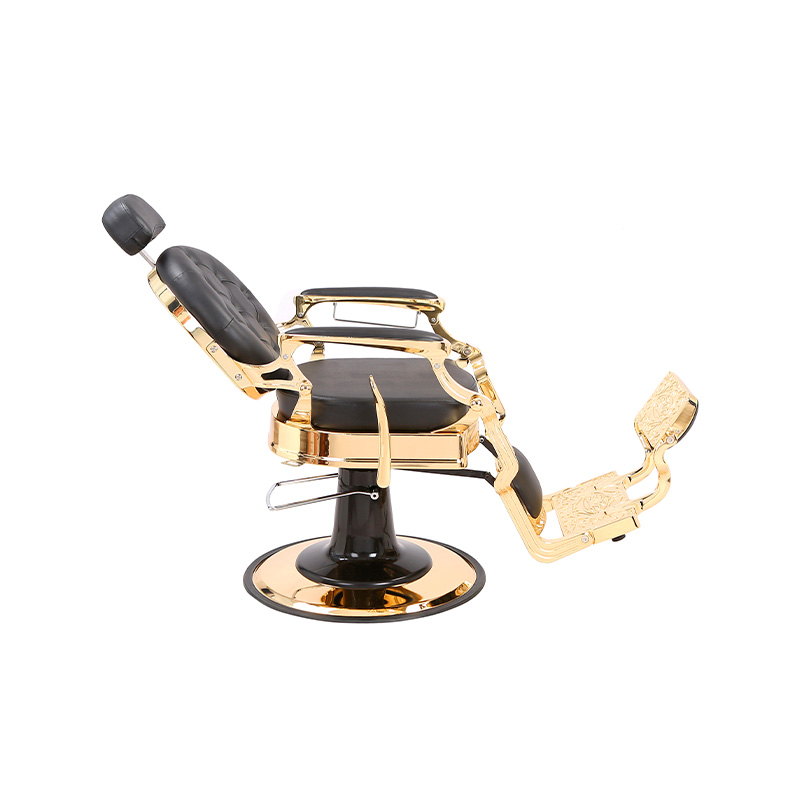
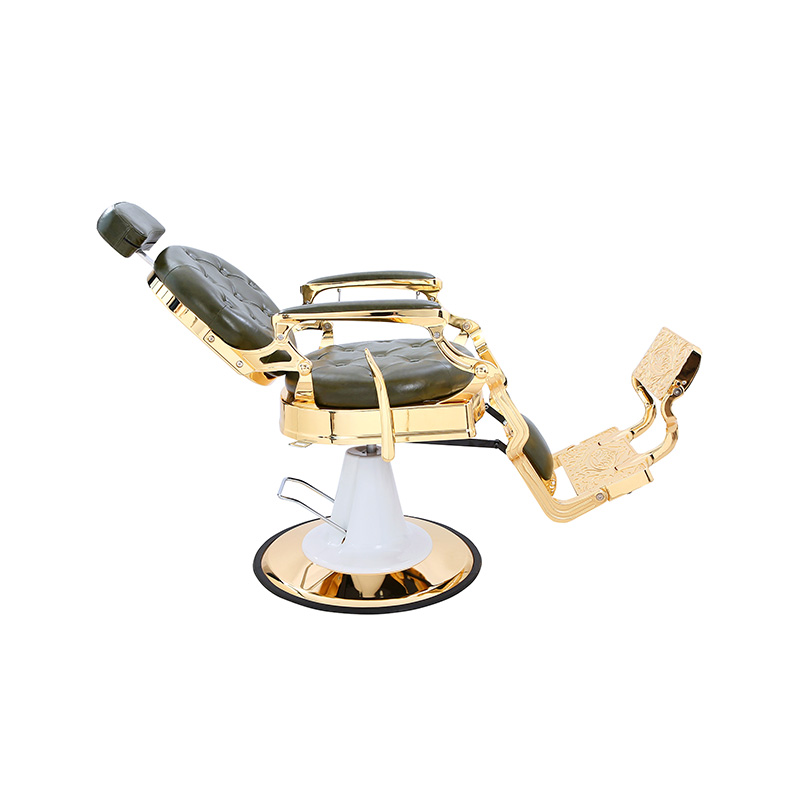
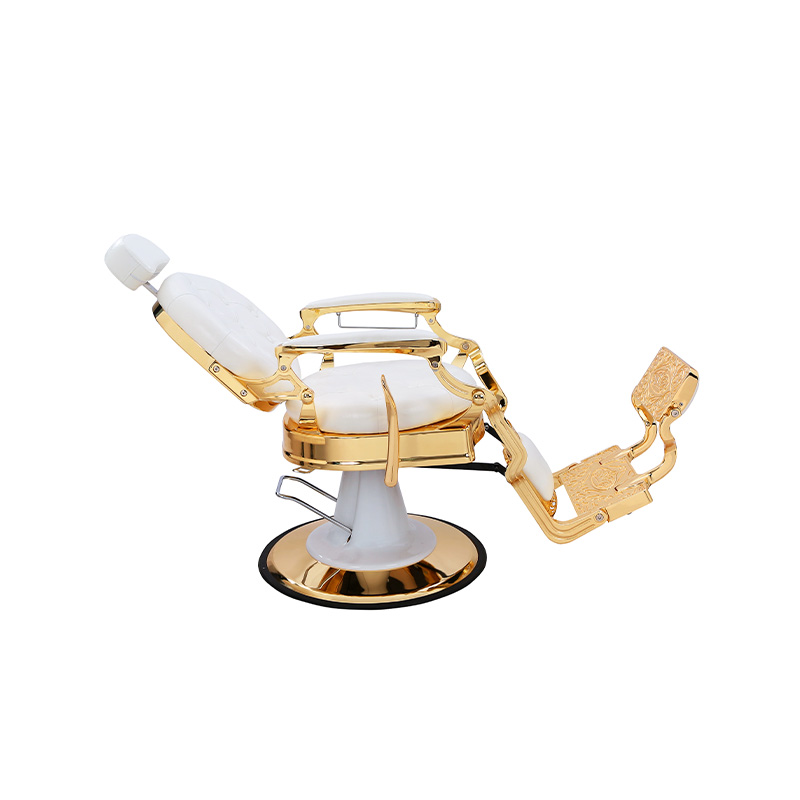
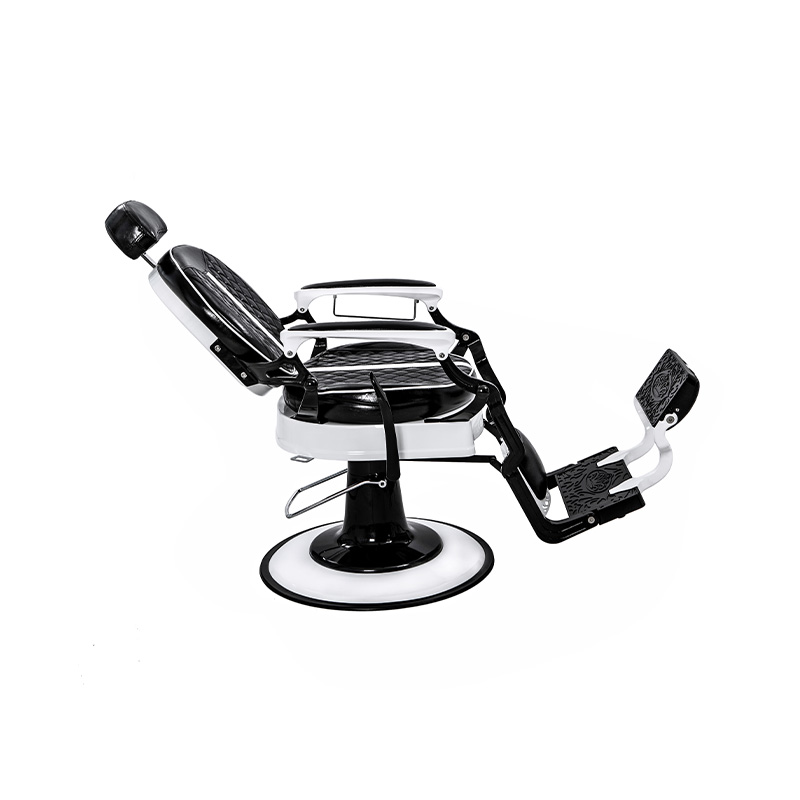
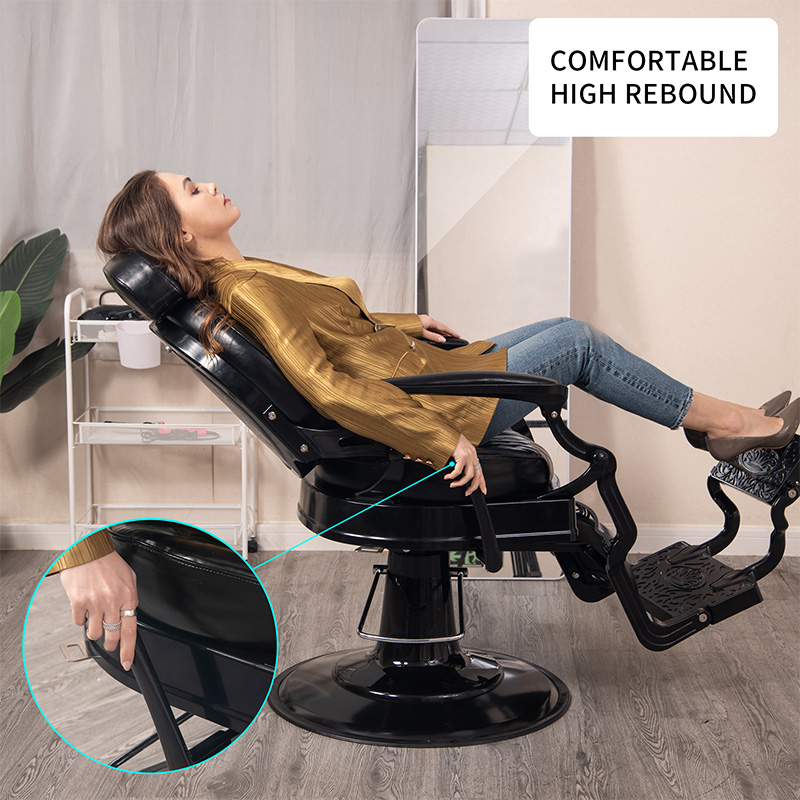
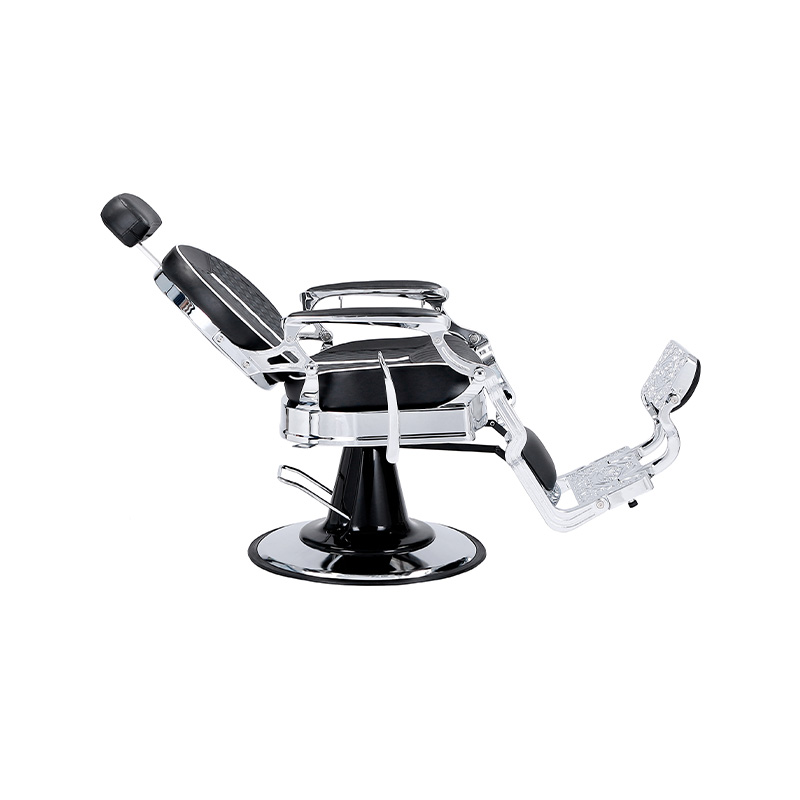
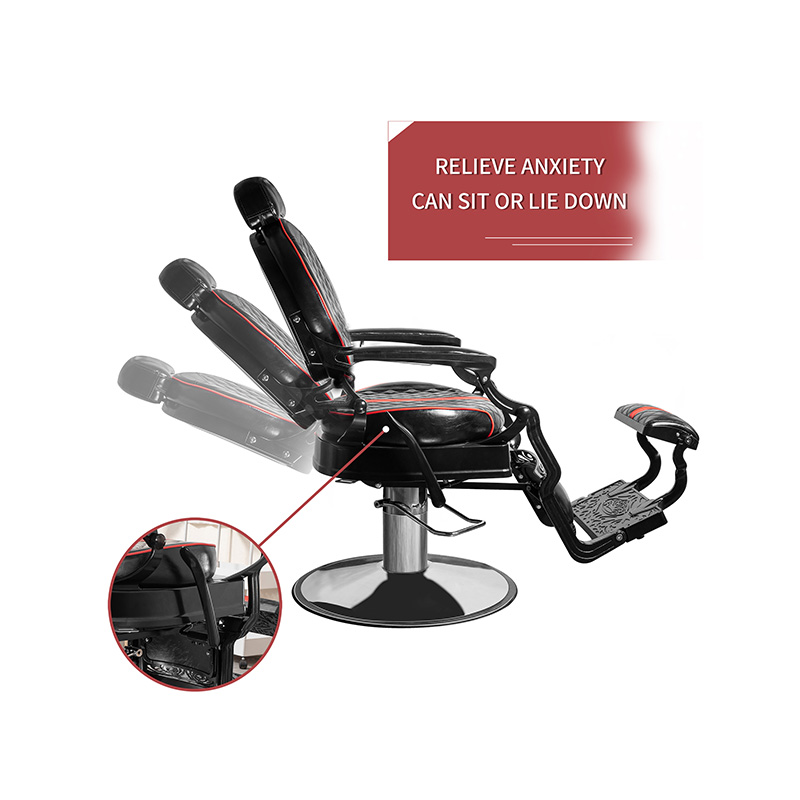
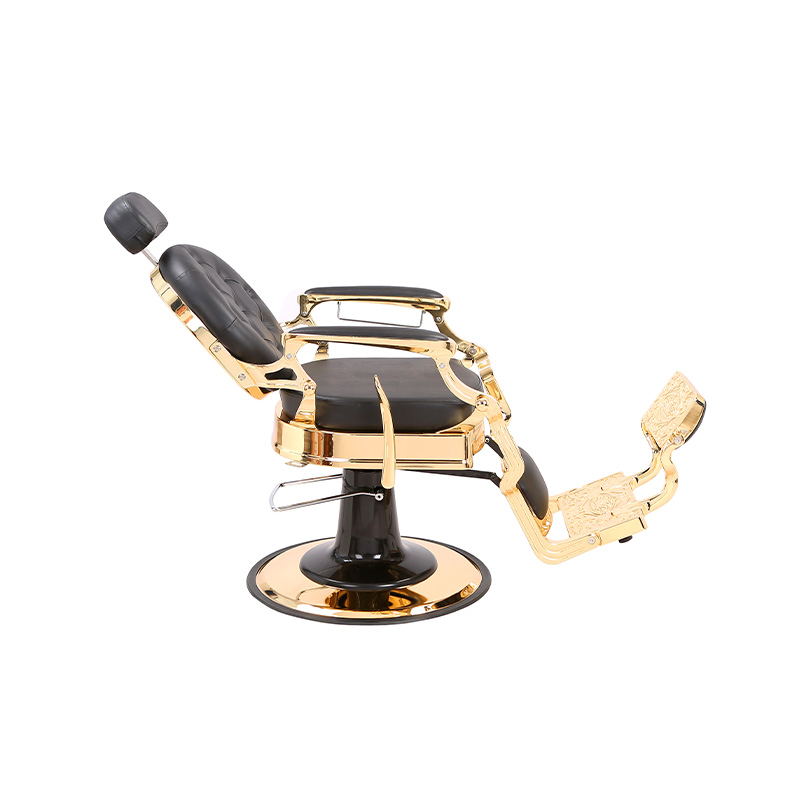
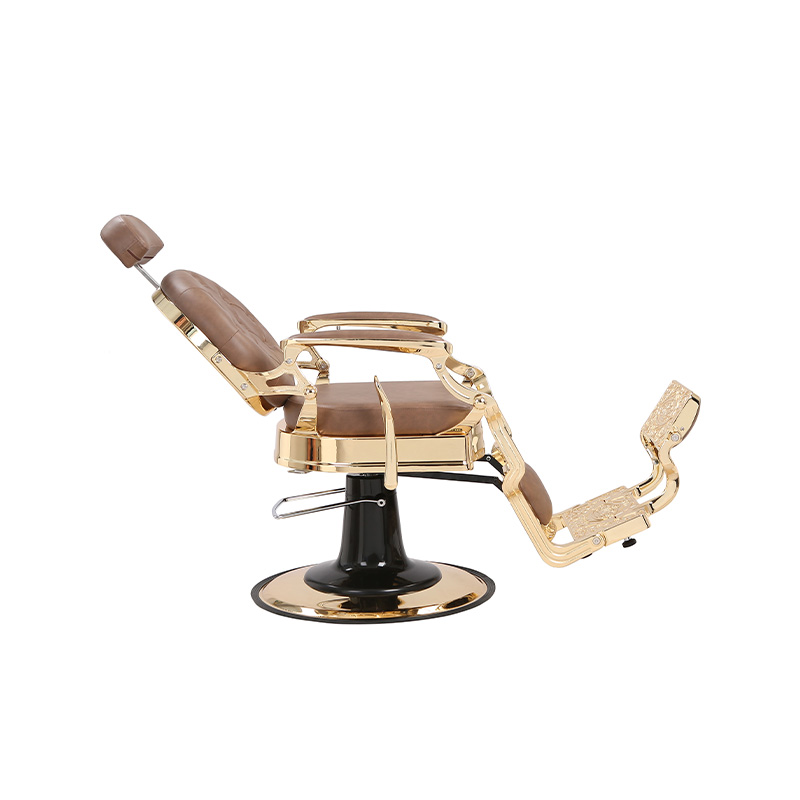
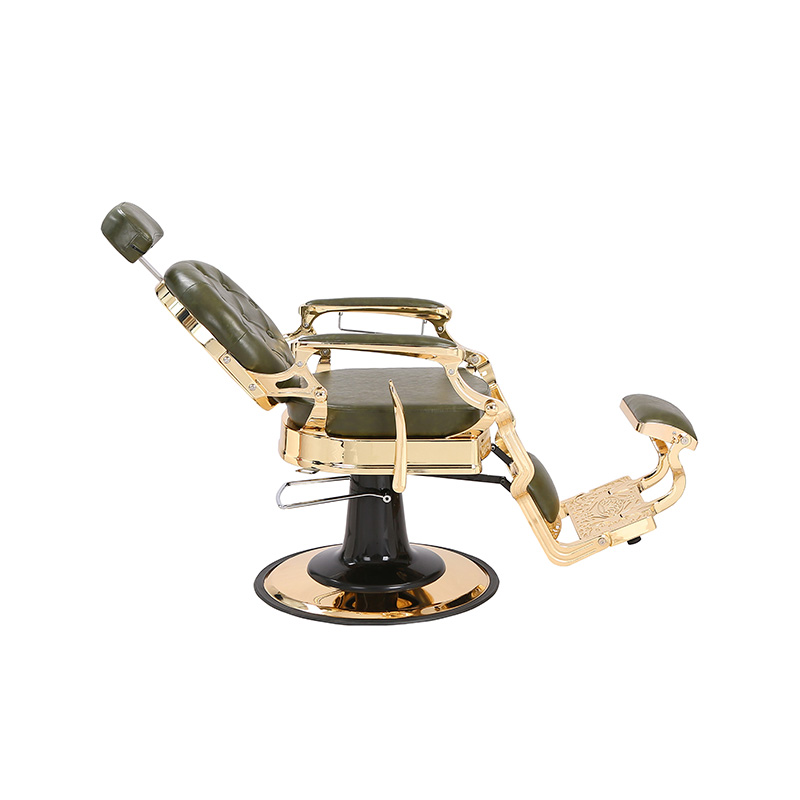
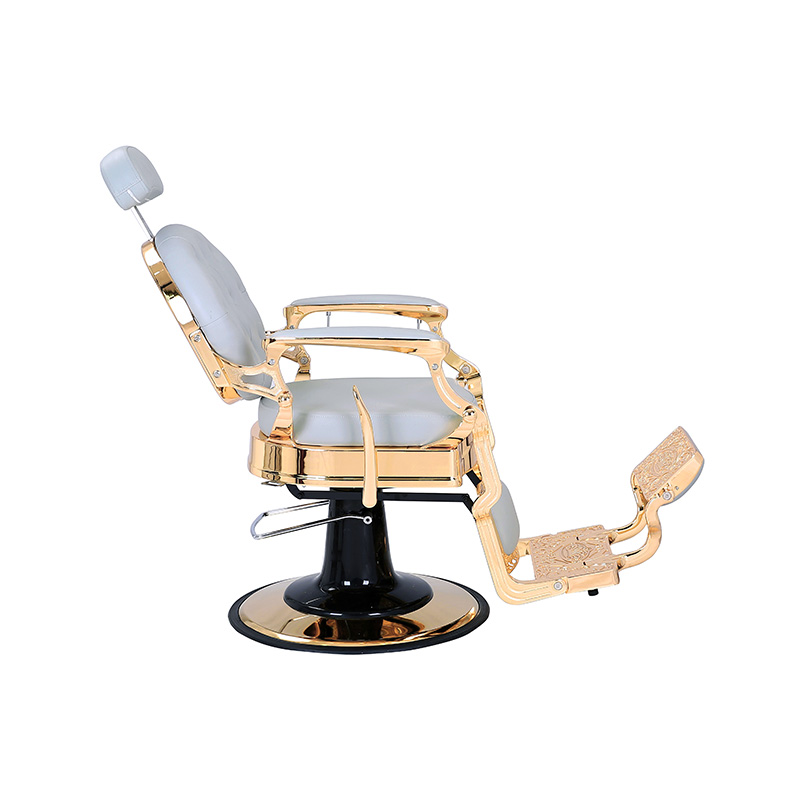
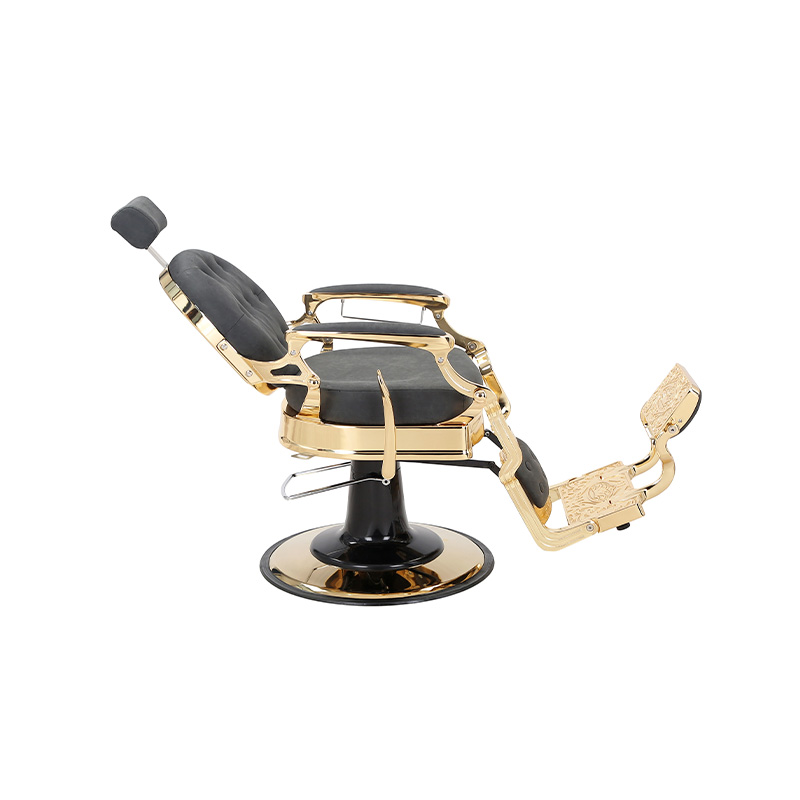
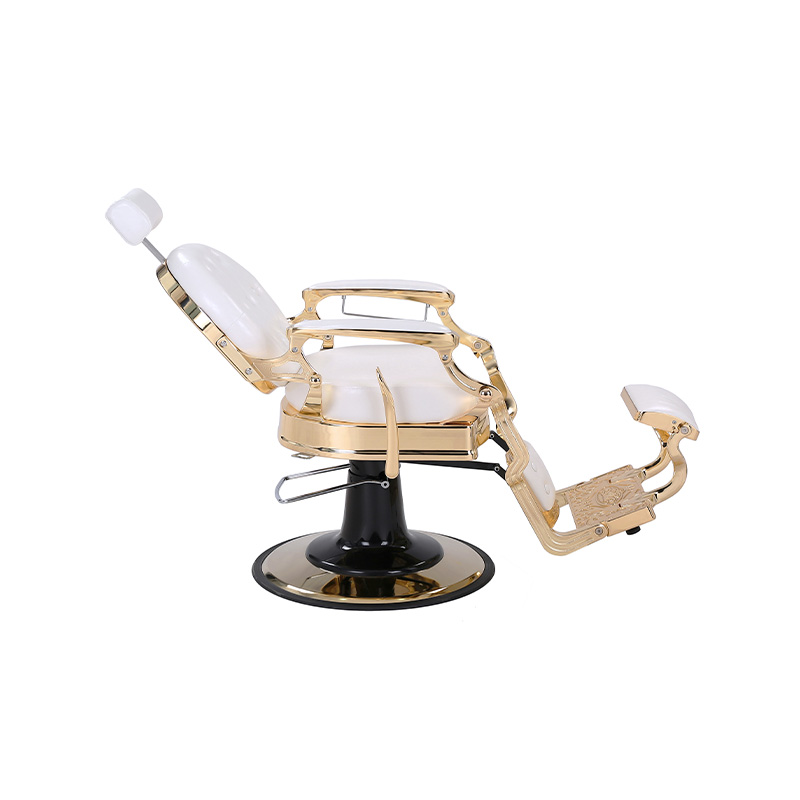
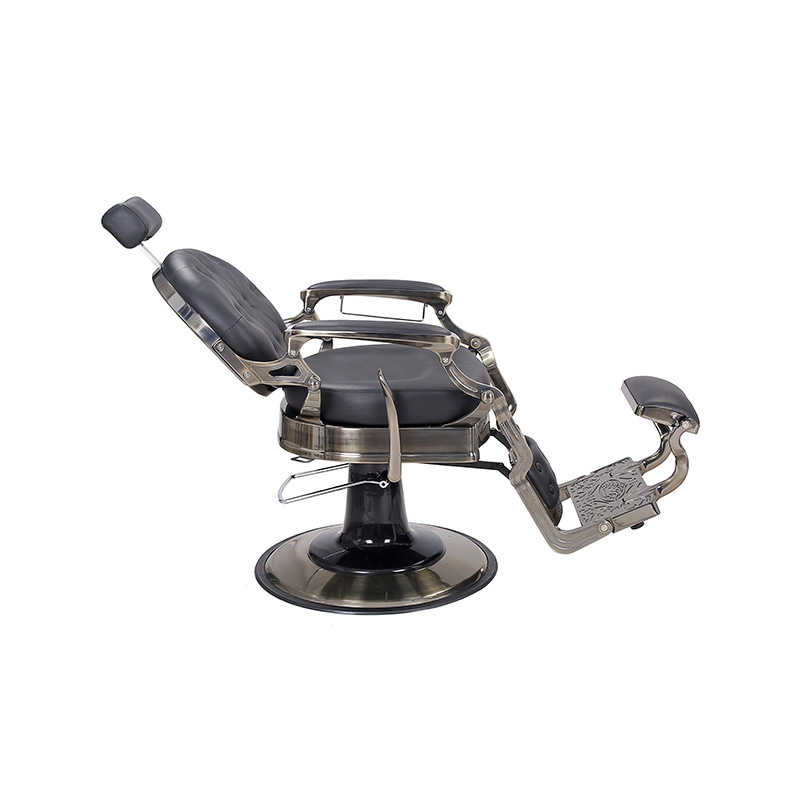
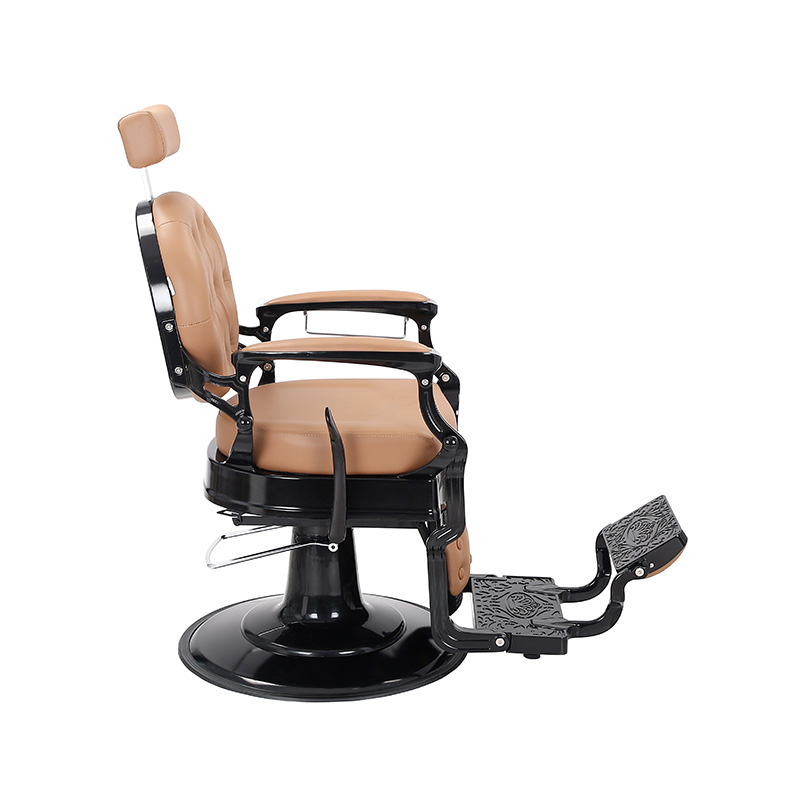
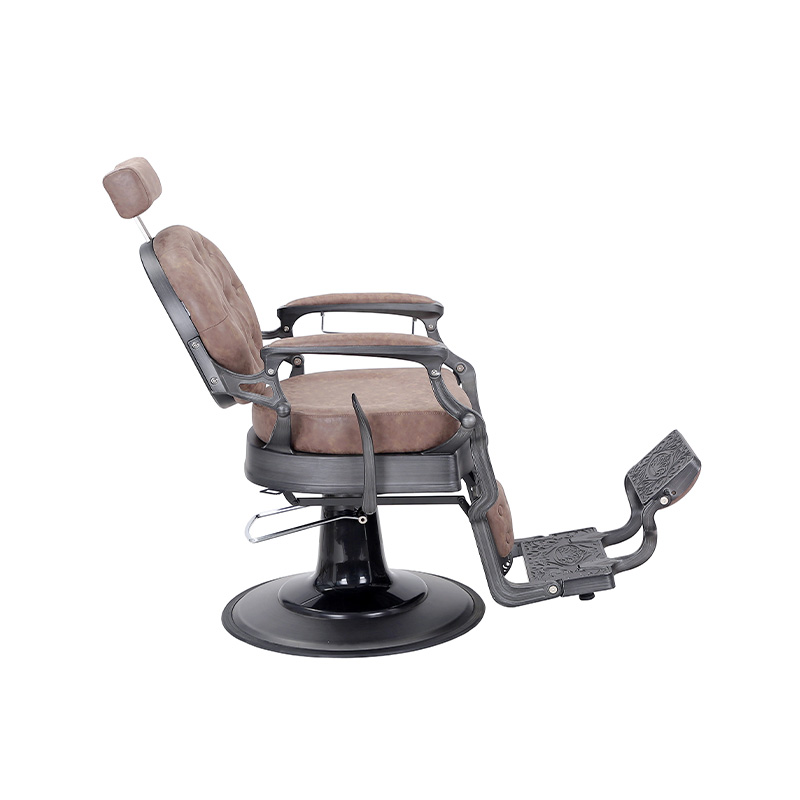
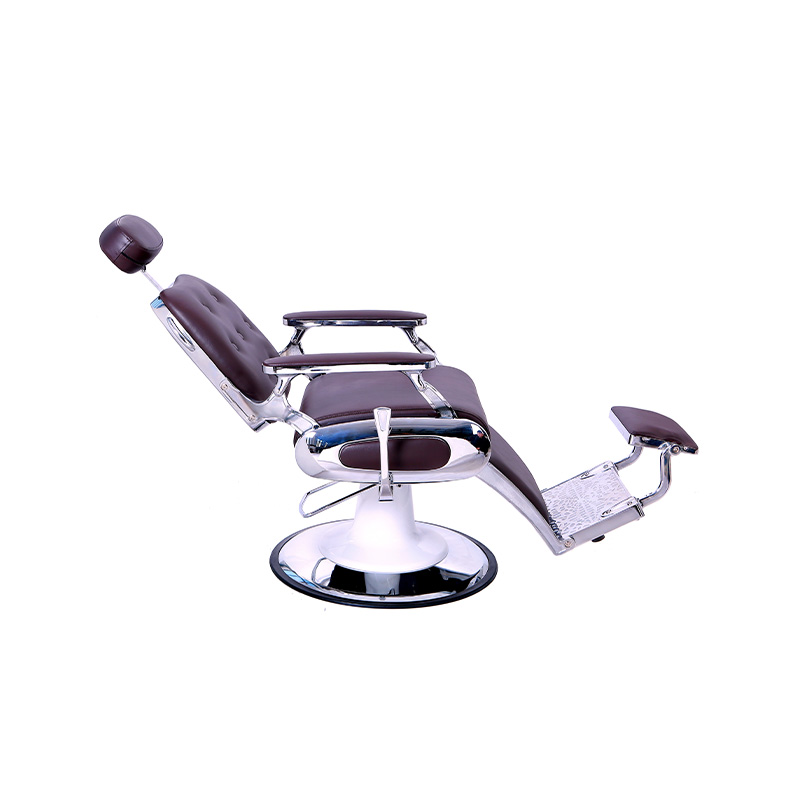
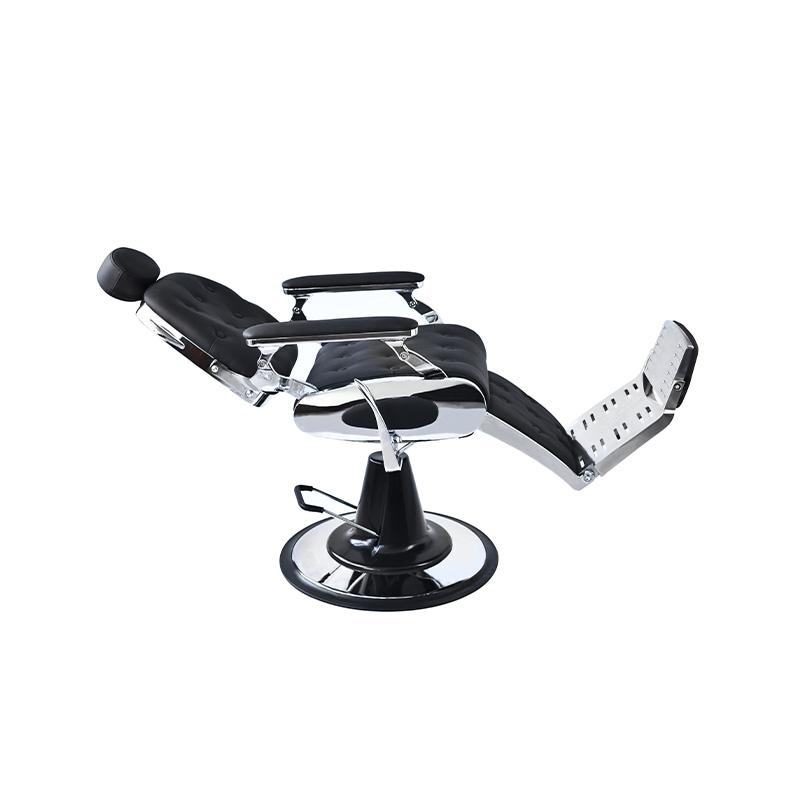
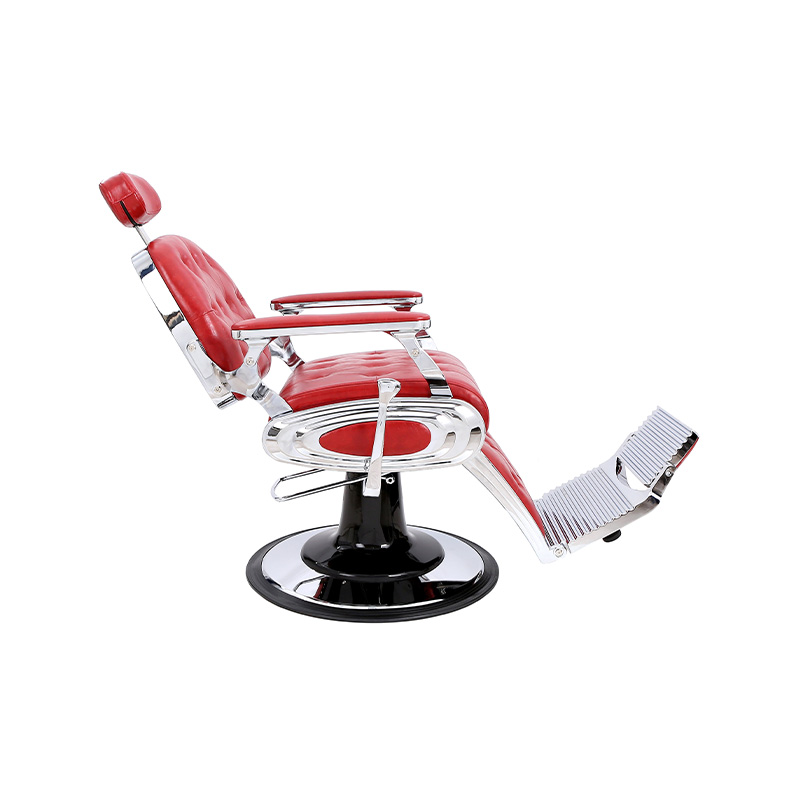
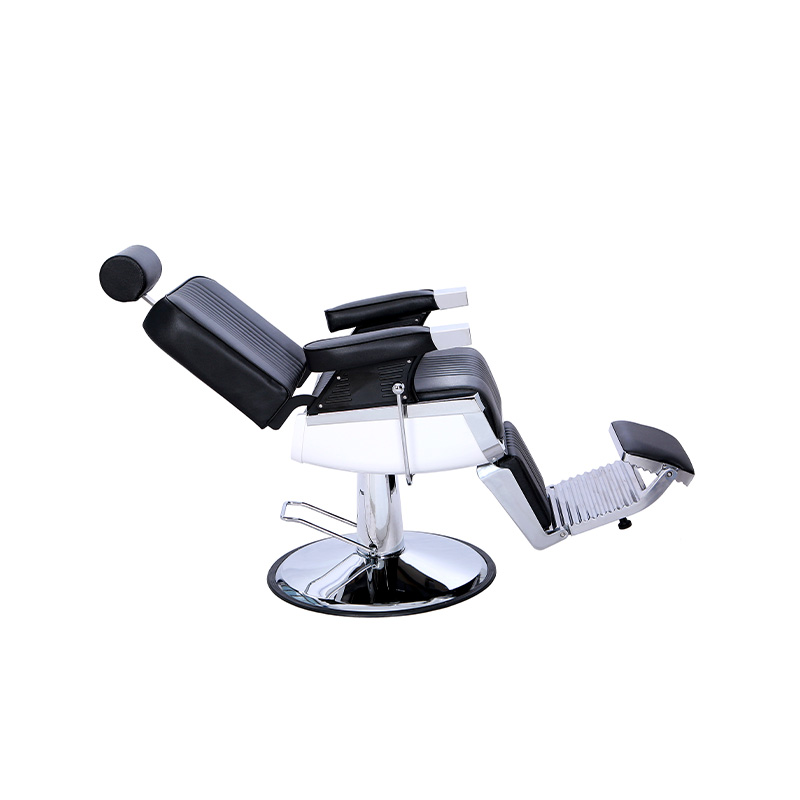
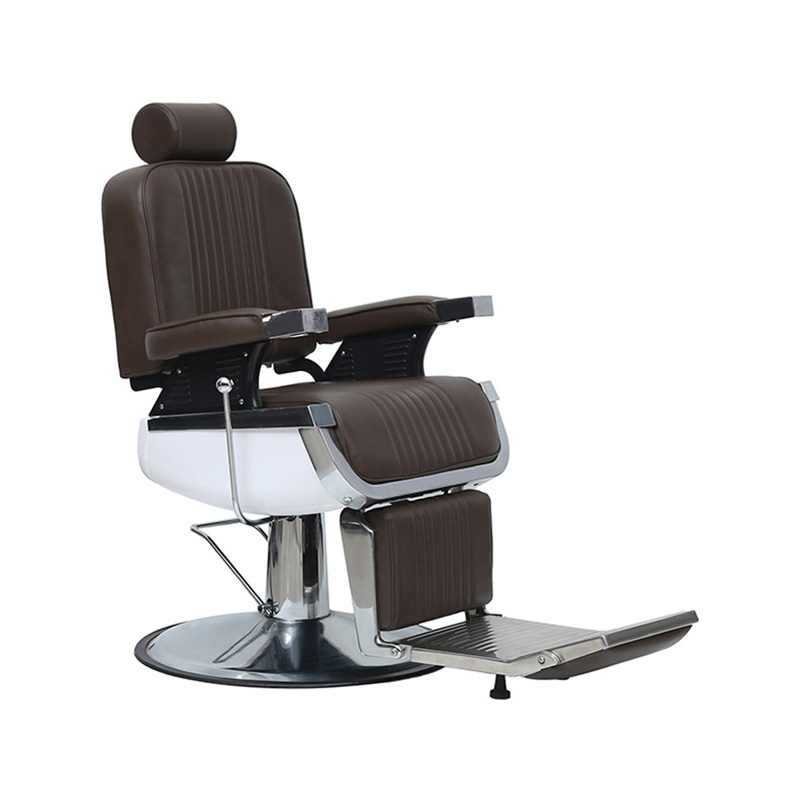
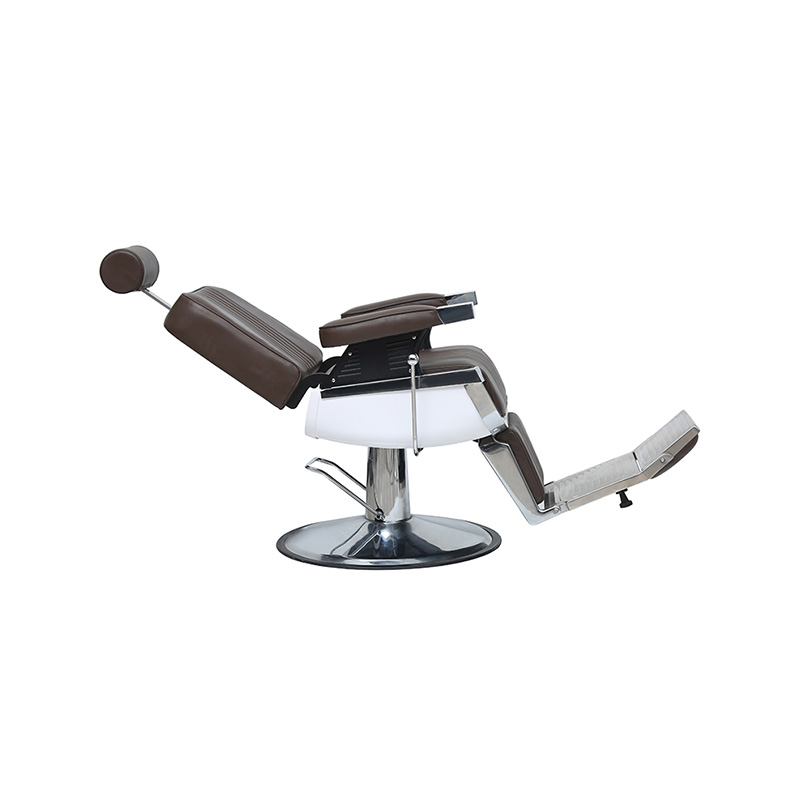
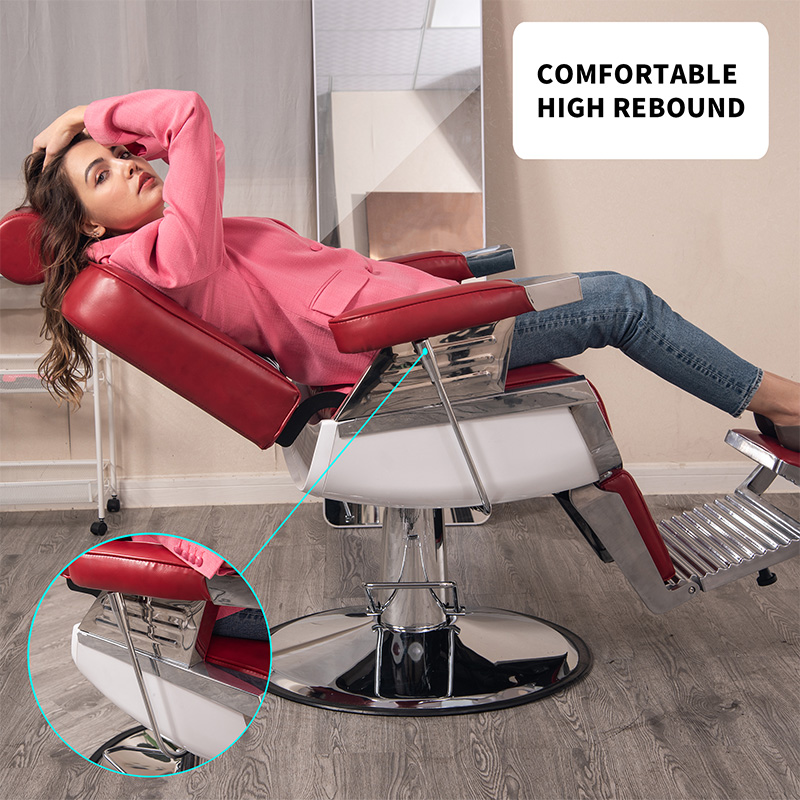
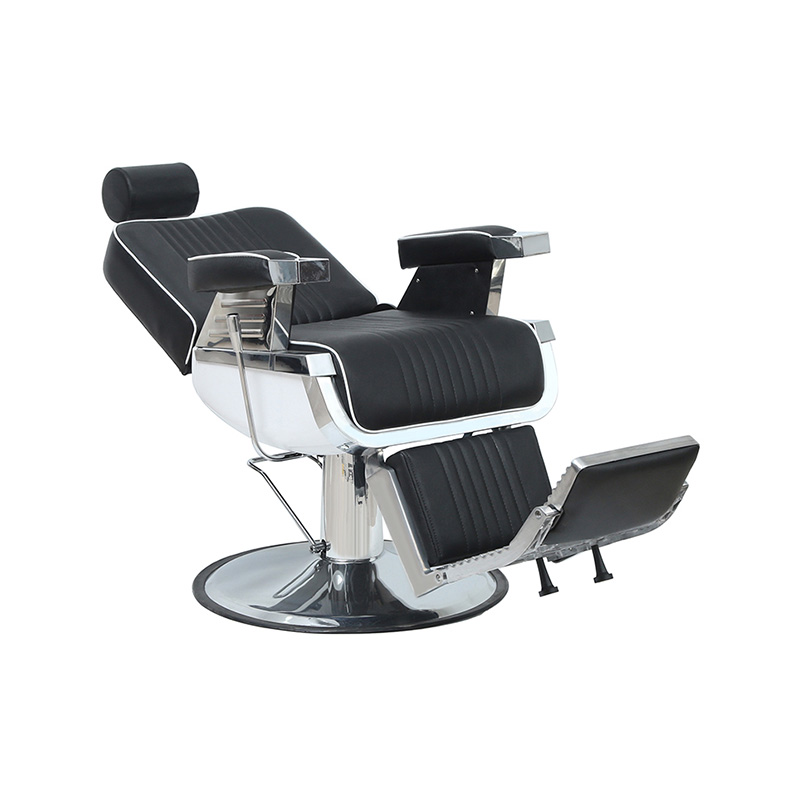
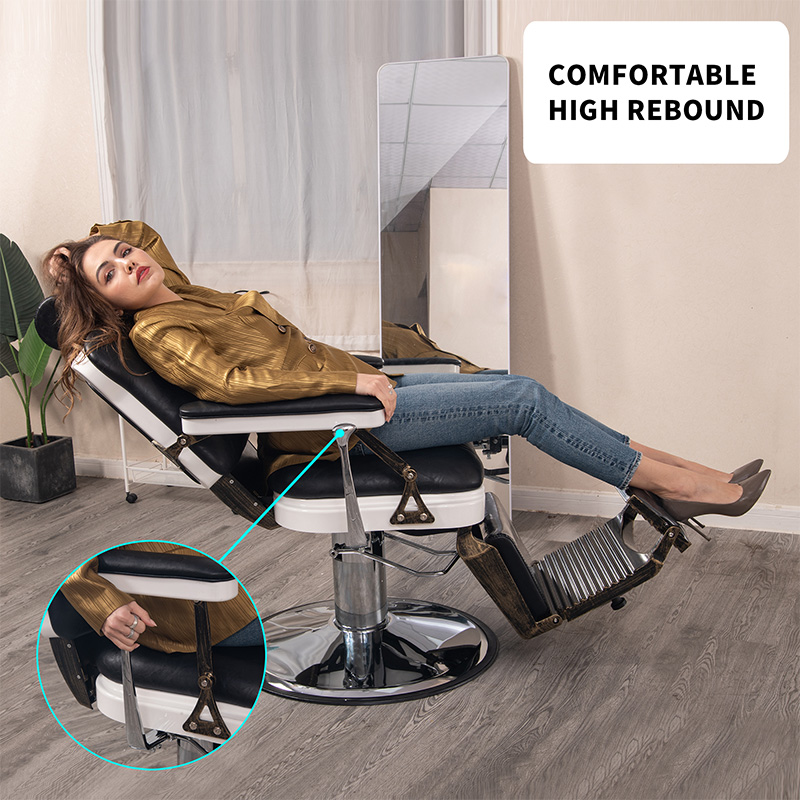
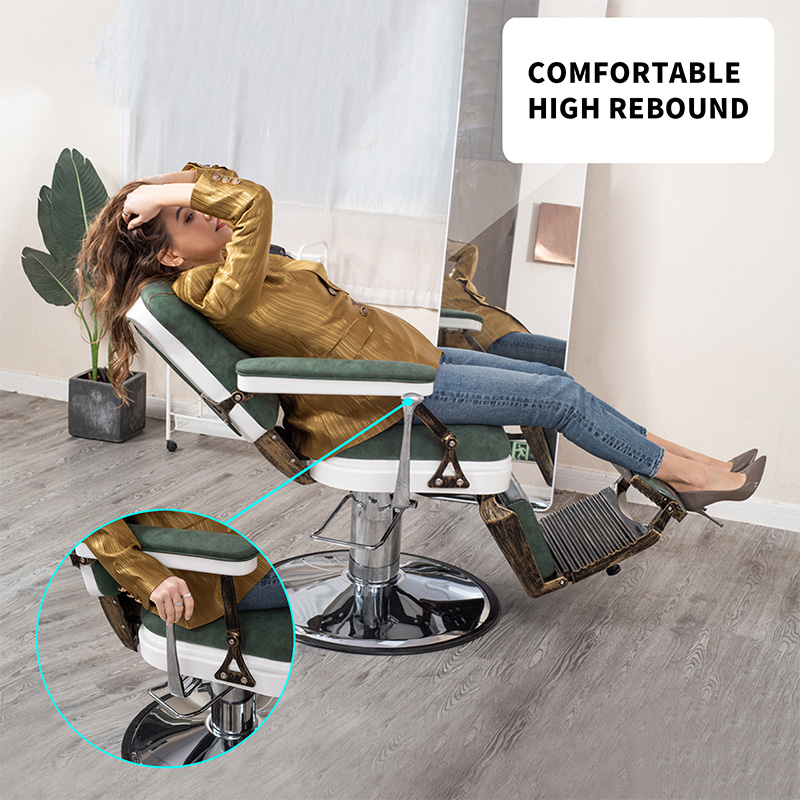
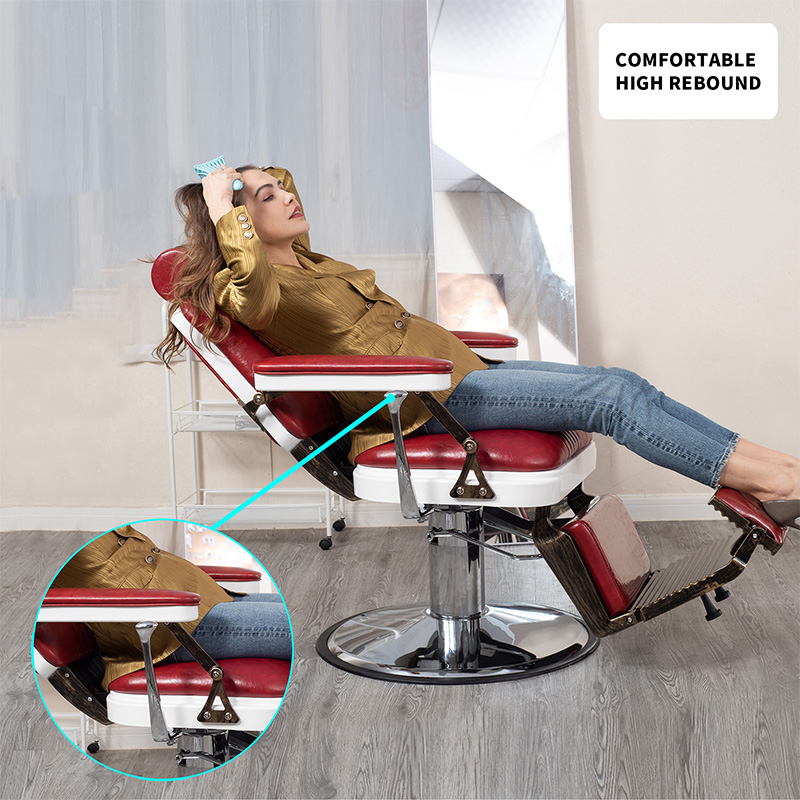
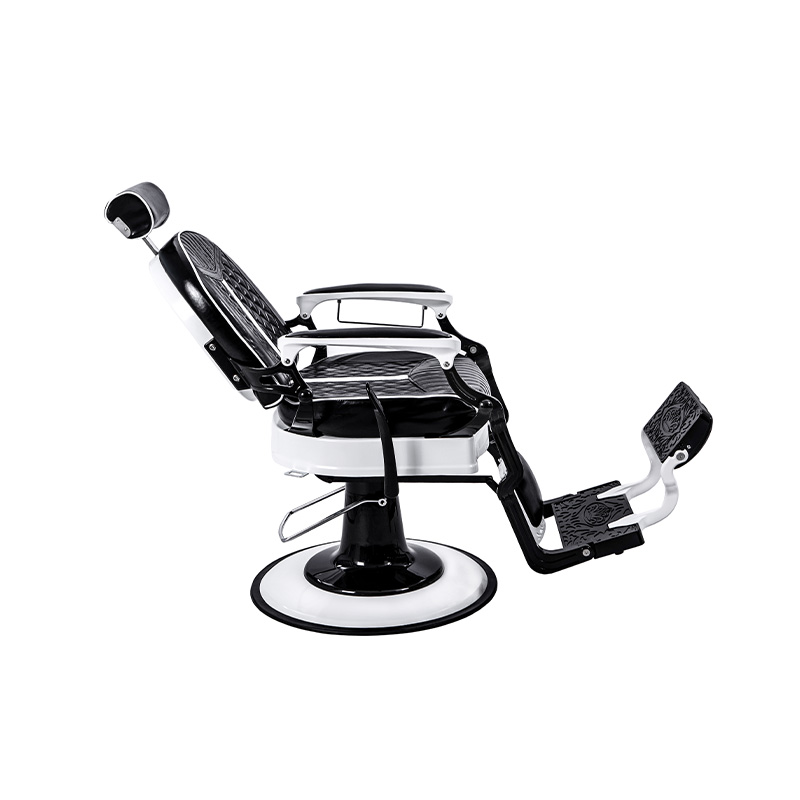
A reclining barber chair is not simply more comfortable — it is operationally necessary for shops that offer shaving, face treatments, or neck-line detailing. A chair that reclines to a full 135 to 150 degree angle allows the barber to work on the client's neck and jawline with proper posture and tool access that a fixed-back chair cannot provide. For shops that offer hot towel shaves or facial services, recline functionality transitions the barber chair from a cutting station into a multi-service treatment platform.
The recline mechanism should engage and lock smoothly with a single lever operation, and hold its set angle without creep under the client's body weight. Poor-quality reclining mechanisms drift back toward upright during services — a significant inconvenience during a straight razor shave. When evaluating a reclining barber chair, test the mechanism repeatedly under load before purchasing, not just in showroom conditions.
The barber chair with headrest configuration adds a separate adjustable support component at the chair's top. Quality headrests are independently adjustable in height and angle, covered in the same upholstery as the main chair body, and padded to a firmness that supports the head without discomfort during 30 to 90 minute services. Some models feature a flip-down headrest that stores flat when not in use — a practical feature for chairs serving both standing haircuts and reclined shave services in the same session.
Barbershop Services and Required Chair Features (Importance Score / 10)
This grouped bar chart illustrates how the importance of each key chair feature shifts across different service types. Hydraulic height adjustment (dark blue) scores highest for haircuts and fade services, where the barber needs precise working height. Recline and headrest (medium and light blue) become critical — scoring 10 out of 10 — for shave and facial services, where the client must lie at a comfortable angle and the barber needs full neck and jaw access. For shop owners offering a full-service menu, this chart confirms that a reclining barber chair with an adjustable headrest is not optional — it is operationally required for any shop that offers shaving or facial services alongside cuts.
Style and Aesthetics: Matching Chair Design to Your Shop's Brand Identity
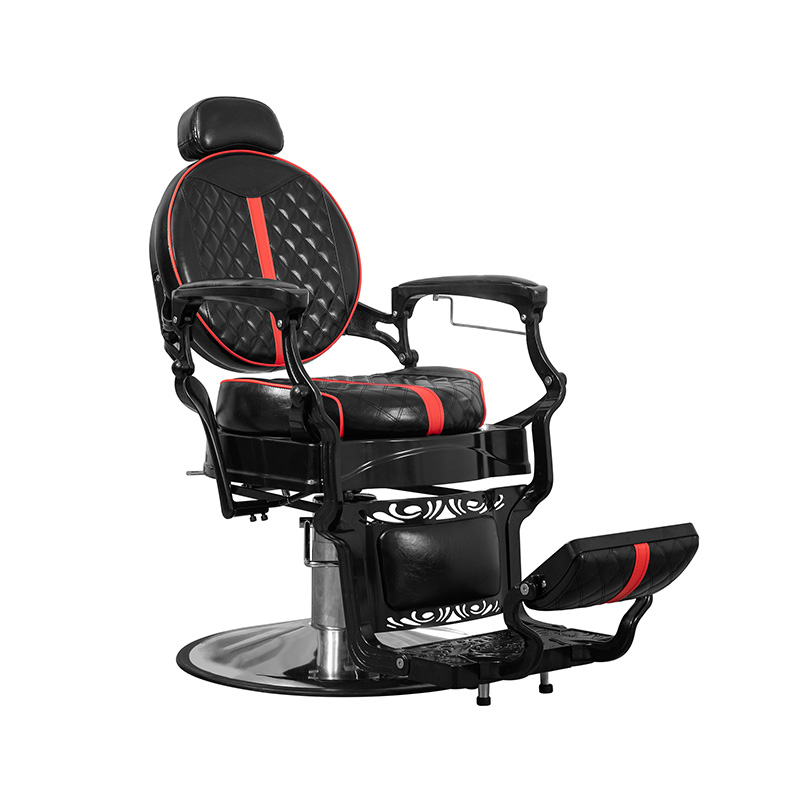
A barber chair occupies the visual center of every workstation. Clients photograph their service experience and share it — which means the chair you choose becomes part of your shop's public brand identity through social media, review platforms, and word of mouth. Selecting a chair whose visual language aligns with your shop concept is a genuine marketing decision, not purely a personal preference.
Modern Barber Chair
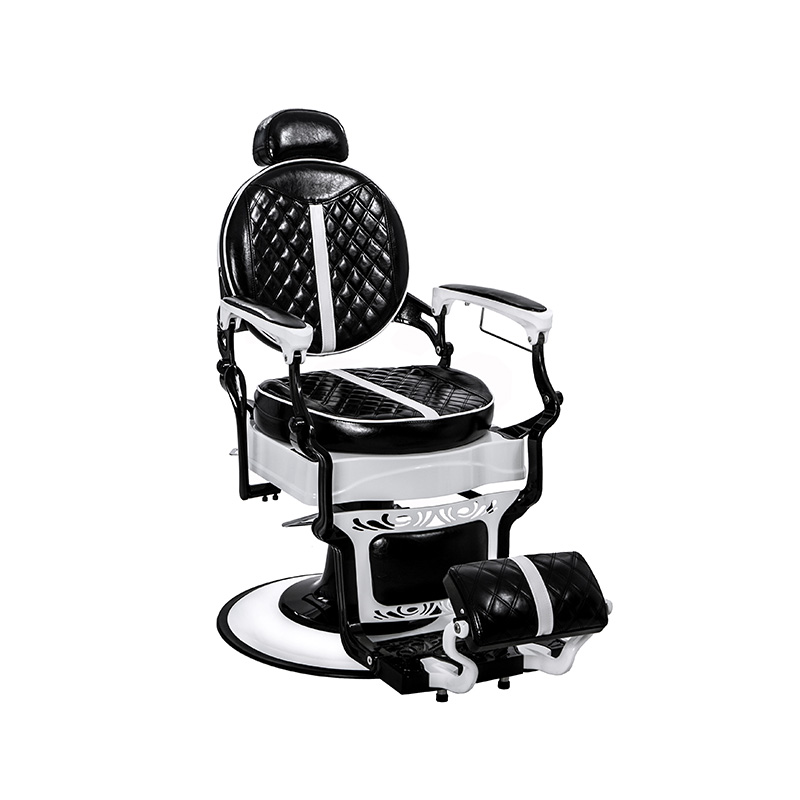
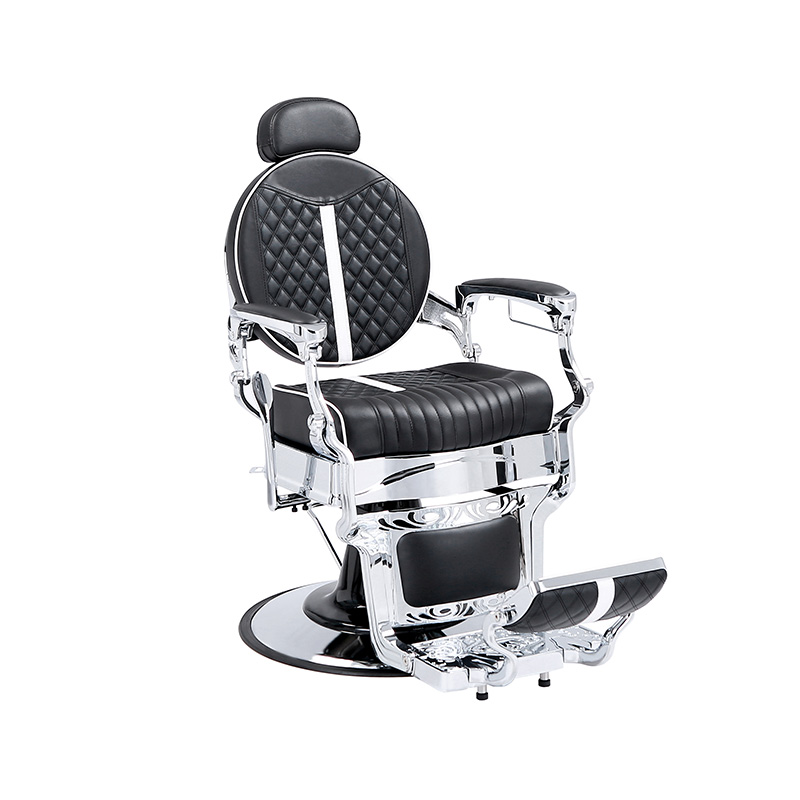
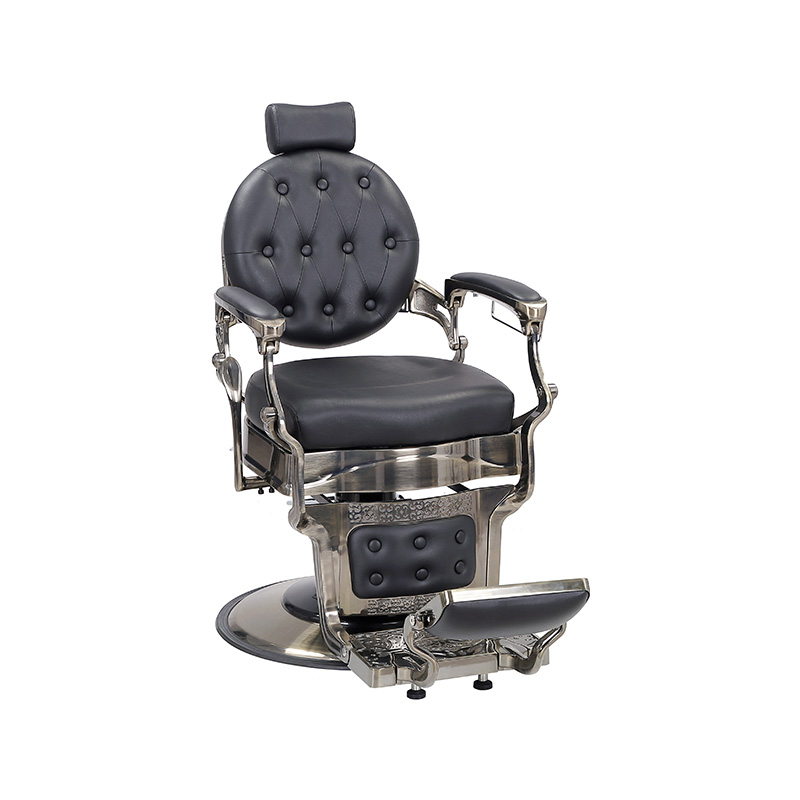
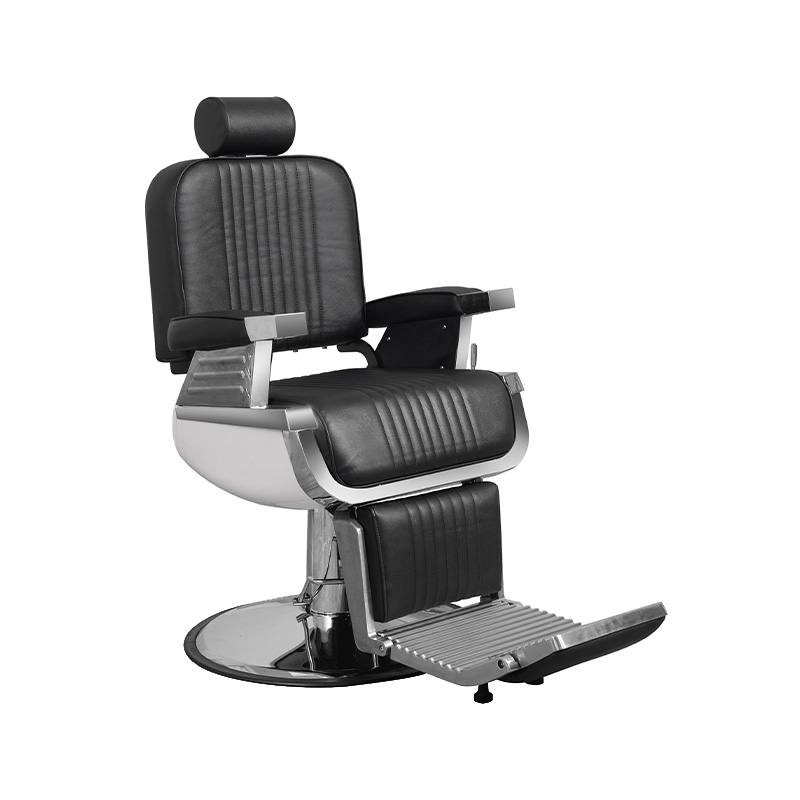
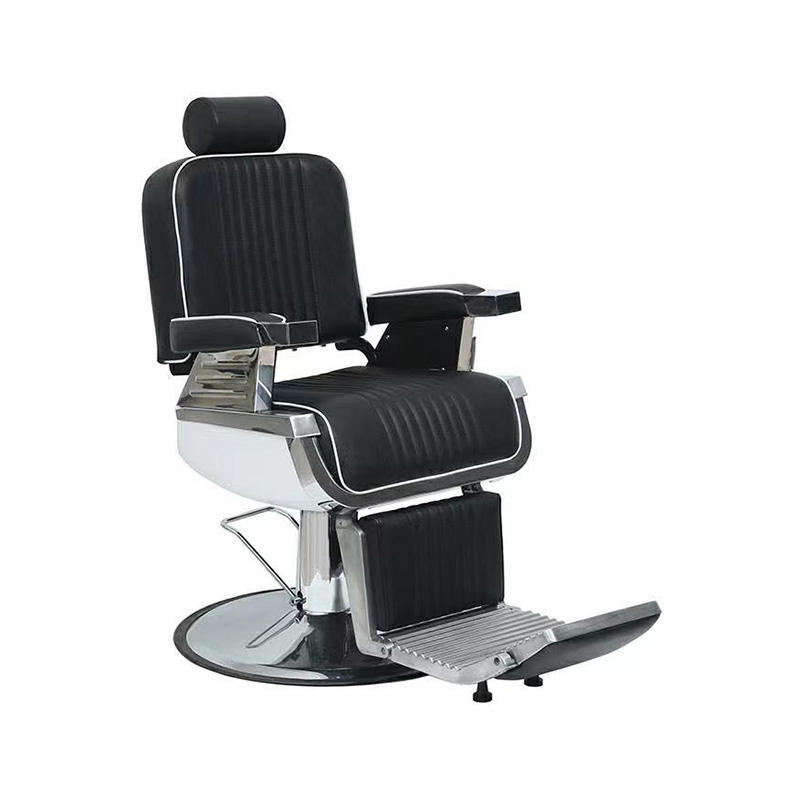
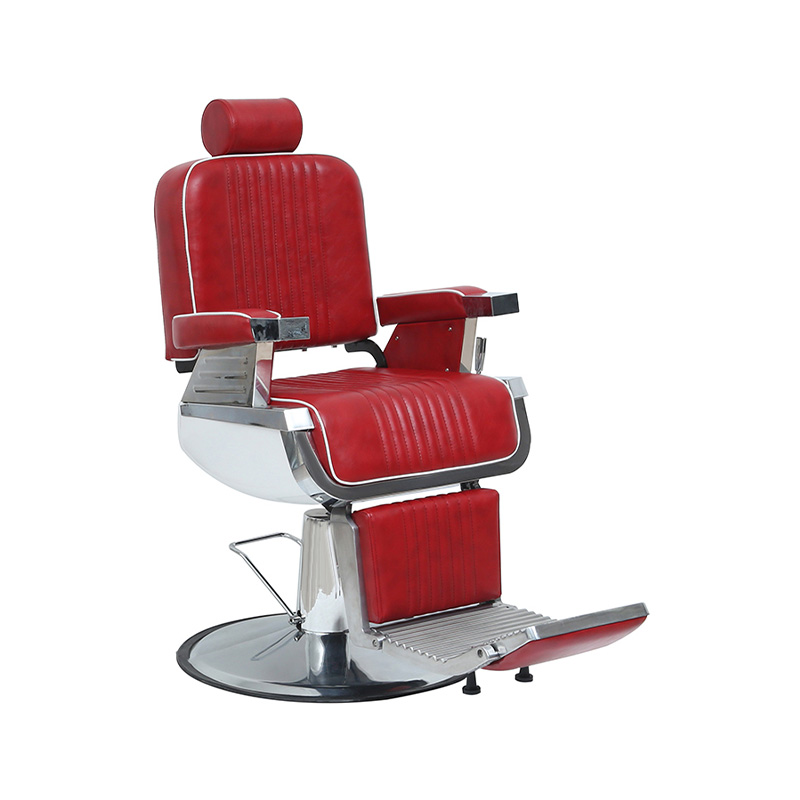
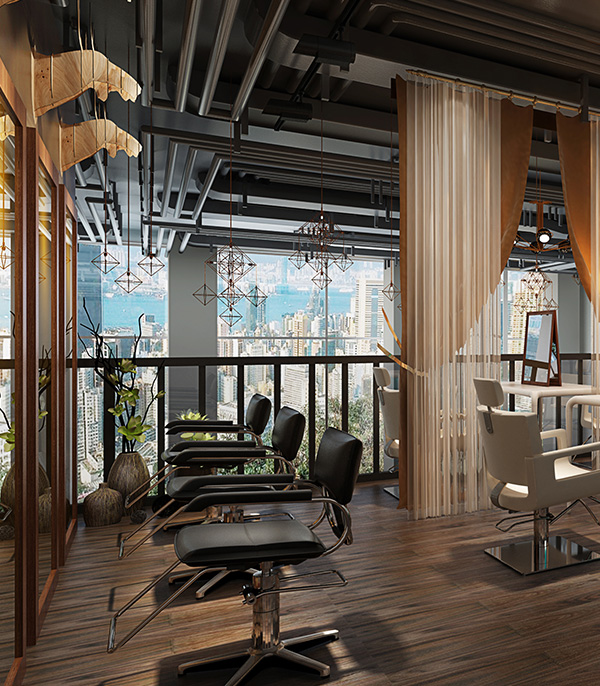
A modern barber chair typically features clean geometric lines, chrome or brushed metal accents, and neutral upholstery in black, white, gray, or slate tones. This aesthetic fits contemporary urban shops, minimalist barbershops, and chains seeking a consistent, professional appearance across multiple locations. Modern chairs are the most commonly ordered in barber chair wholesale volumes due to their broad visual compatibility.
Vintage Barber Chair
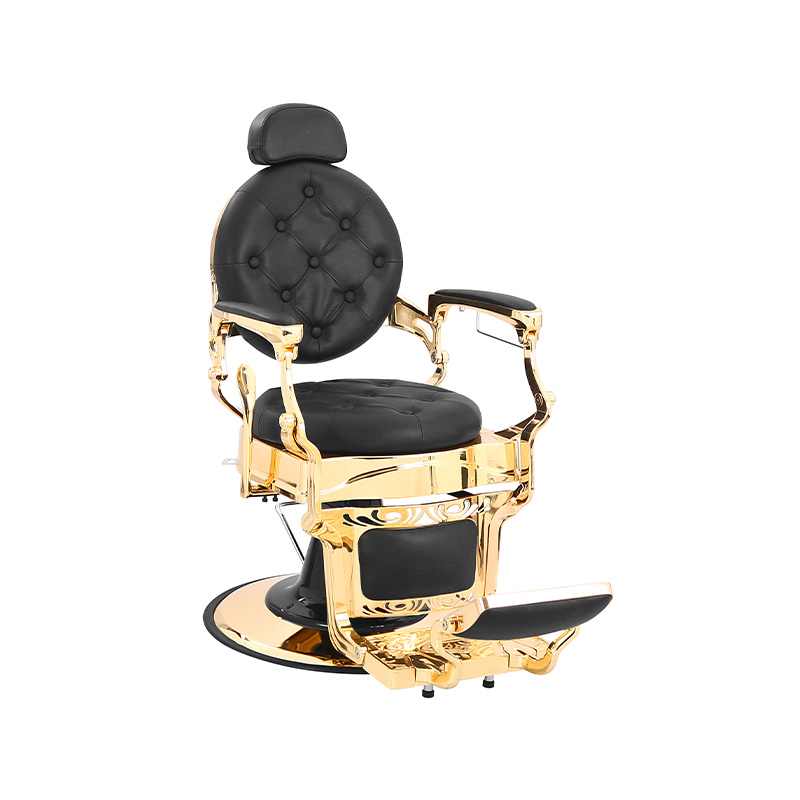
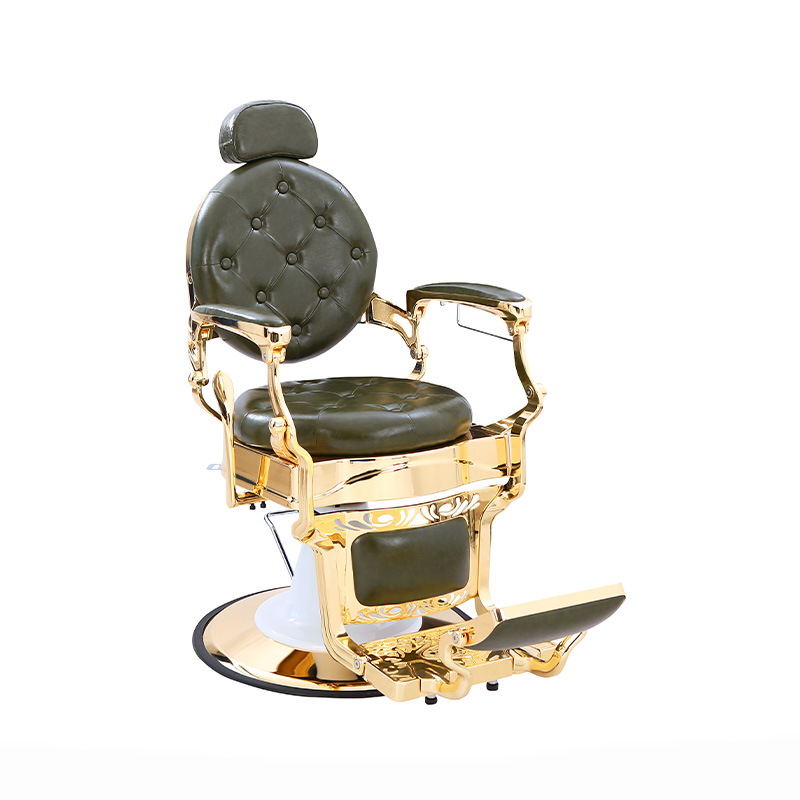
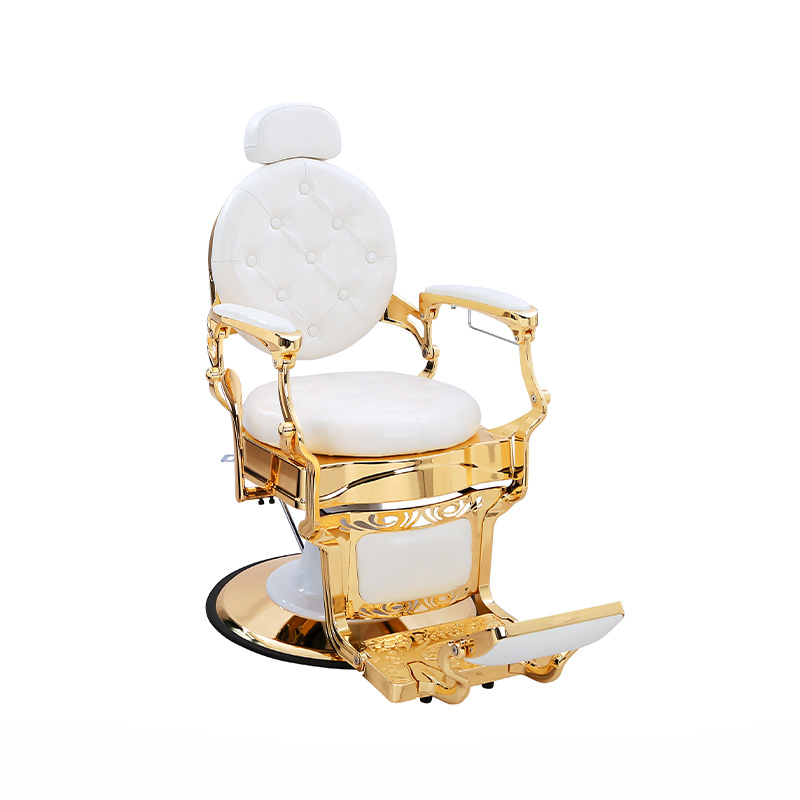
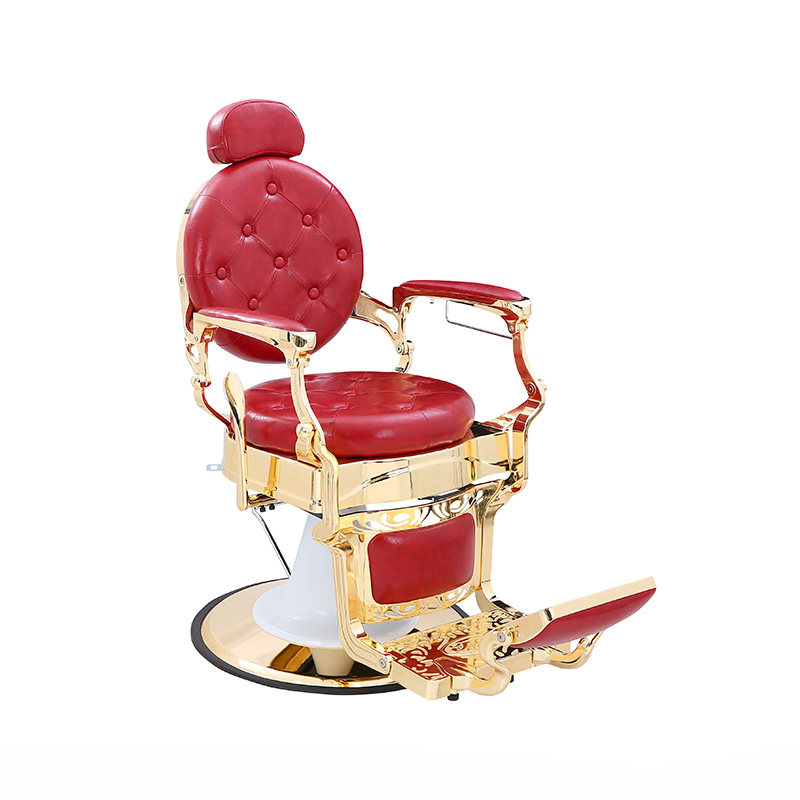
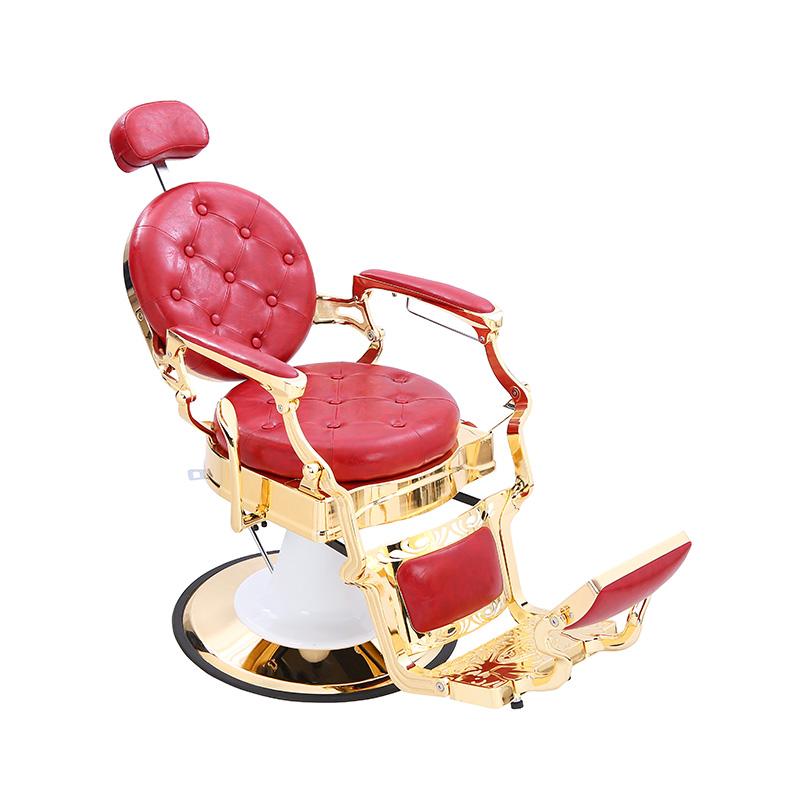
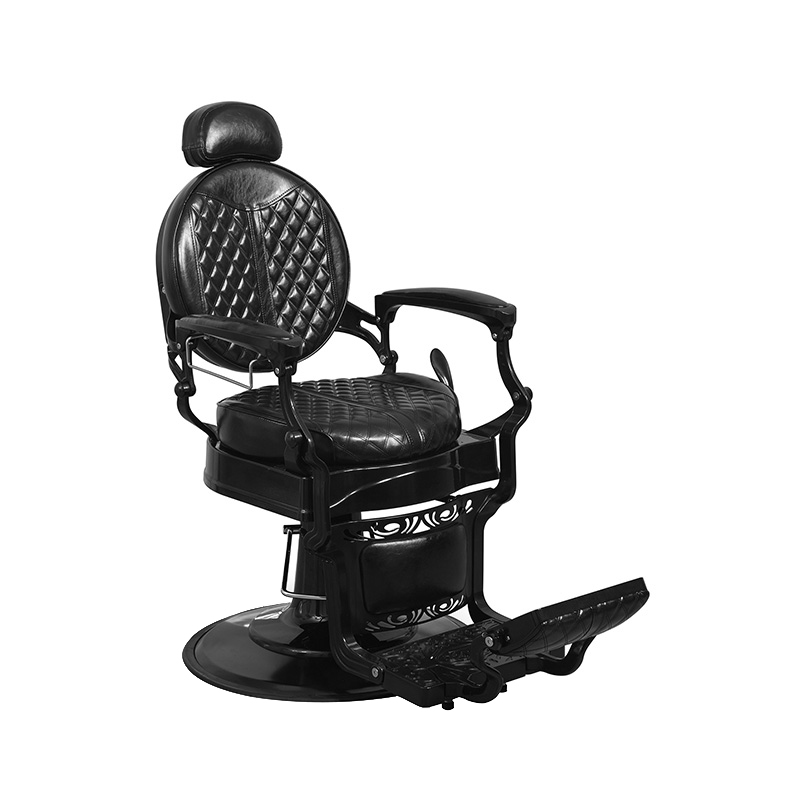
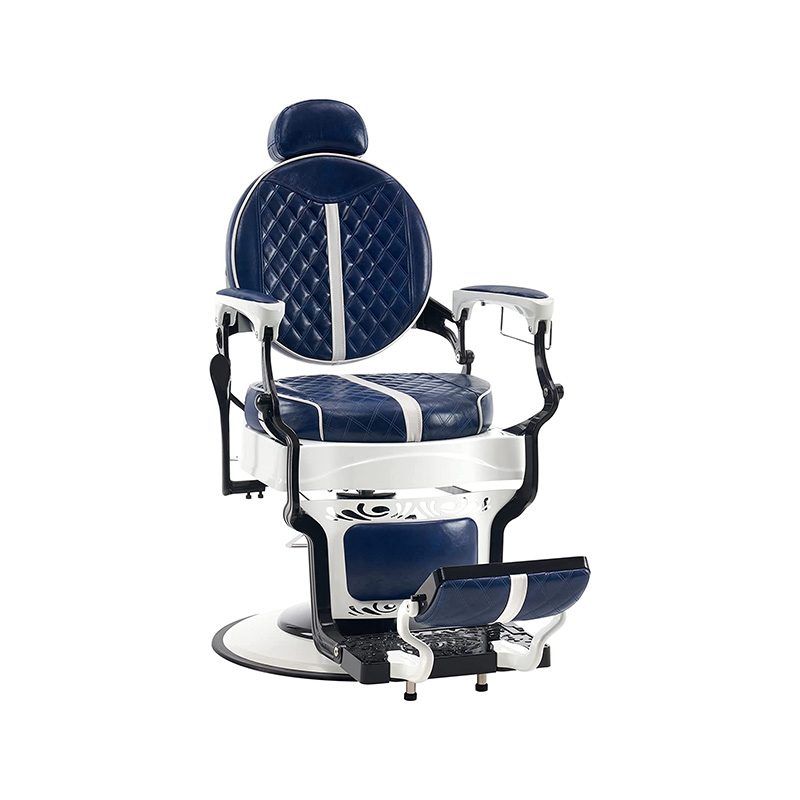
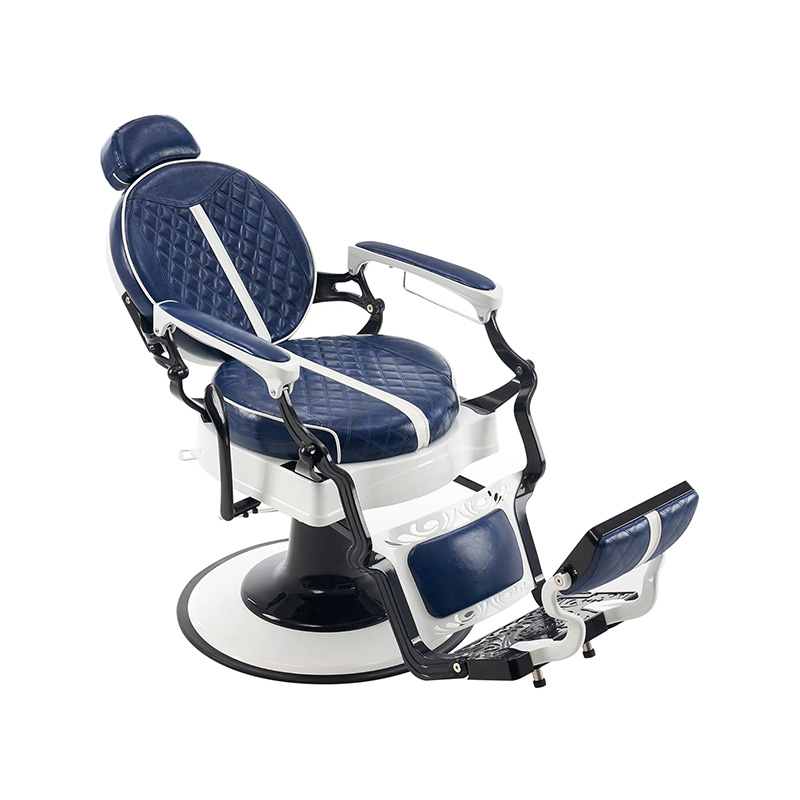
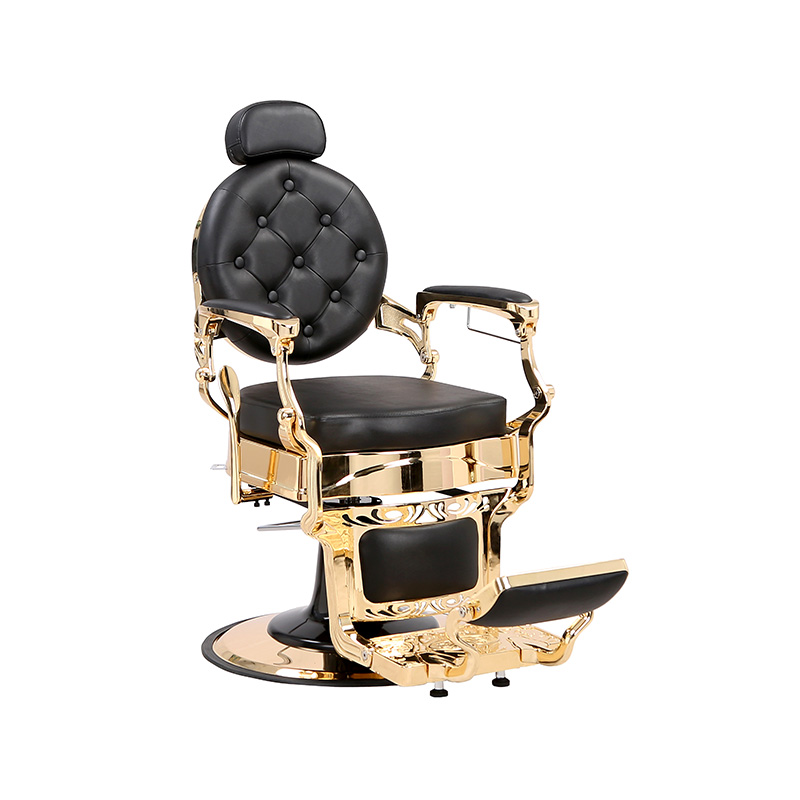
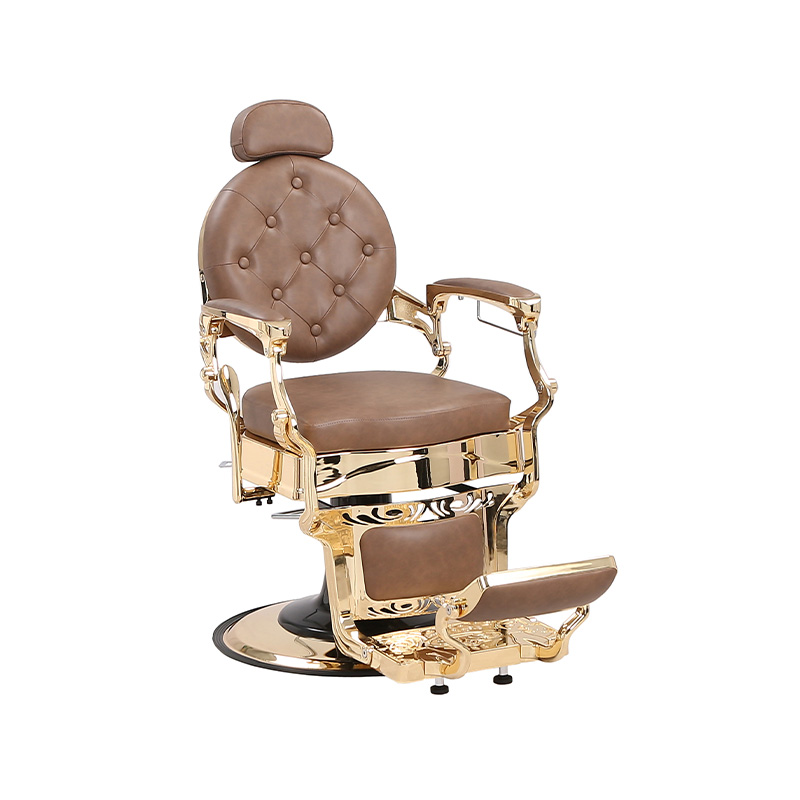
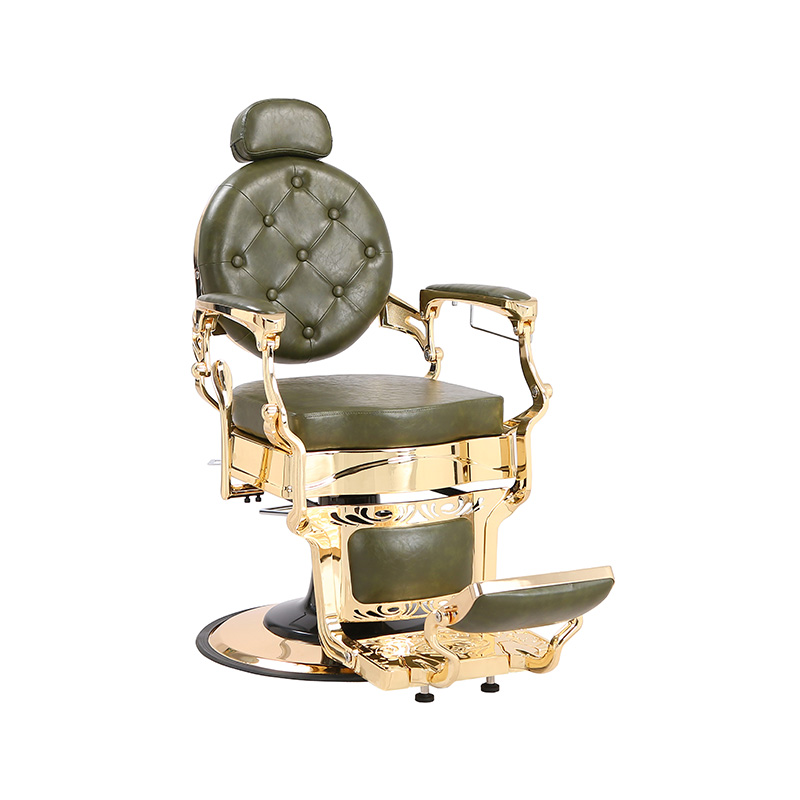
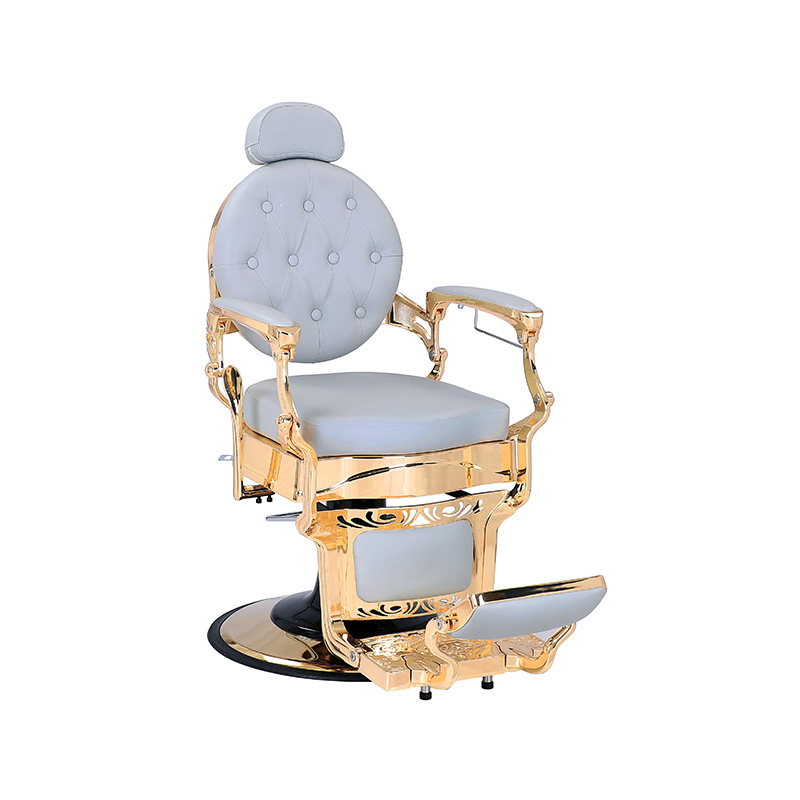
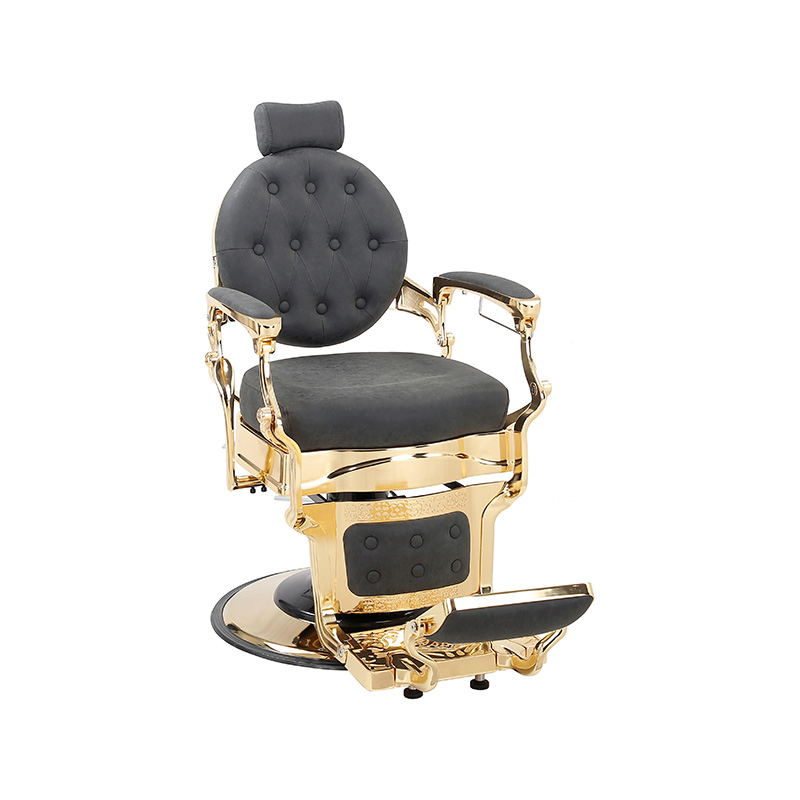
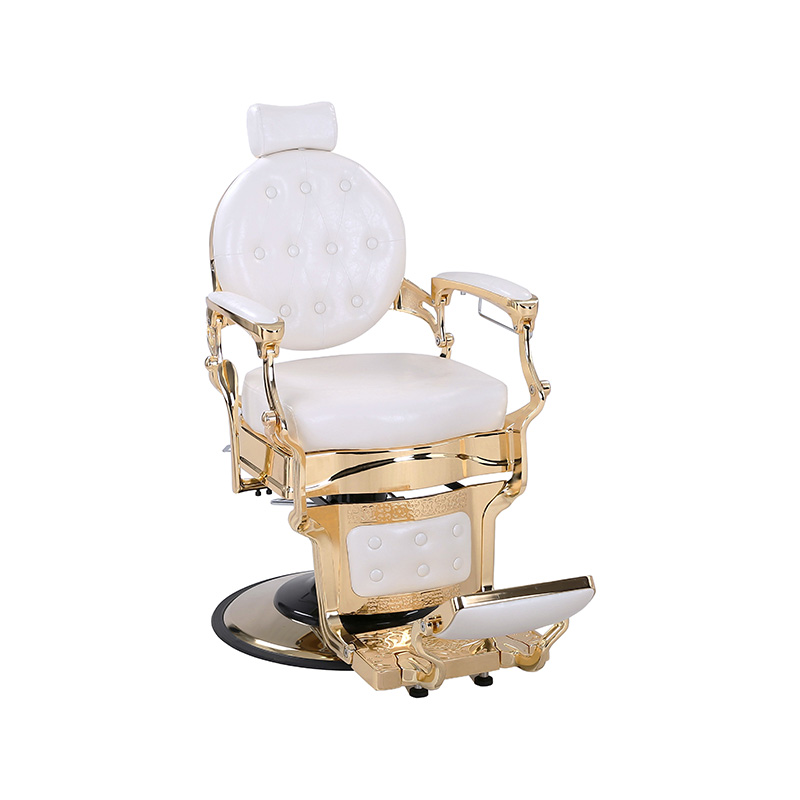
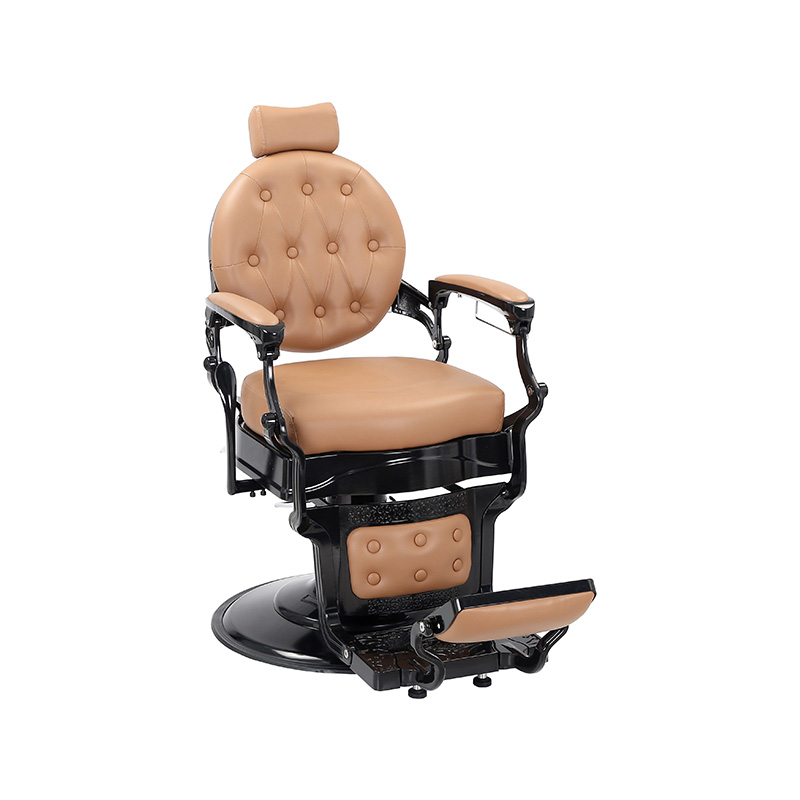
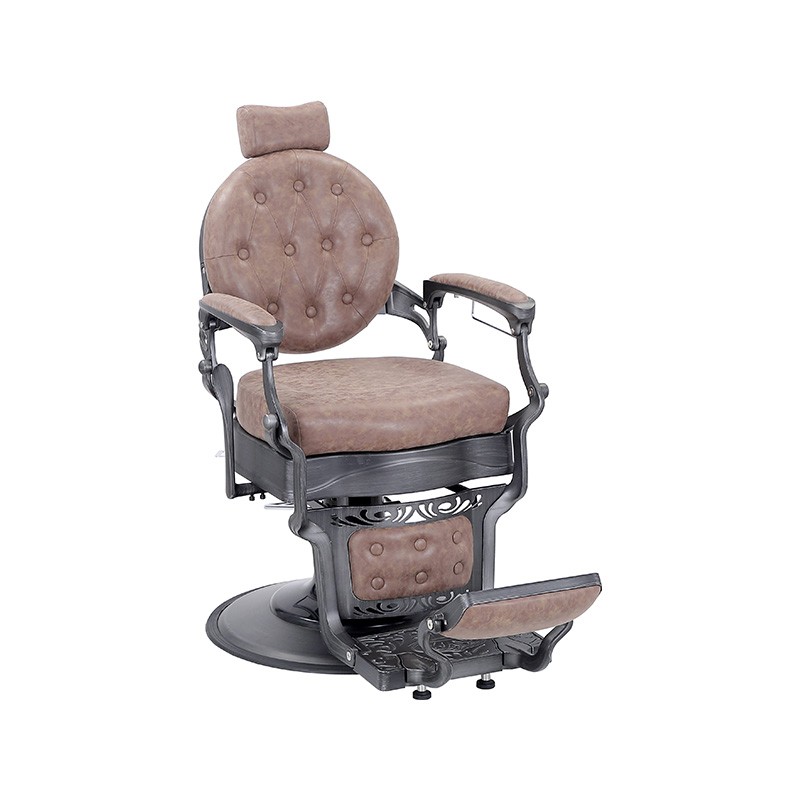
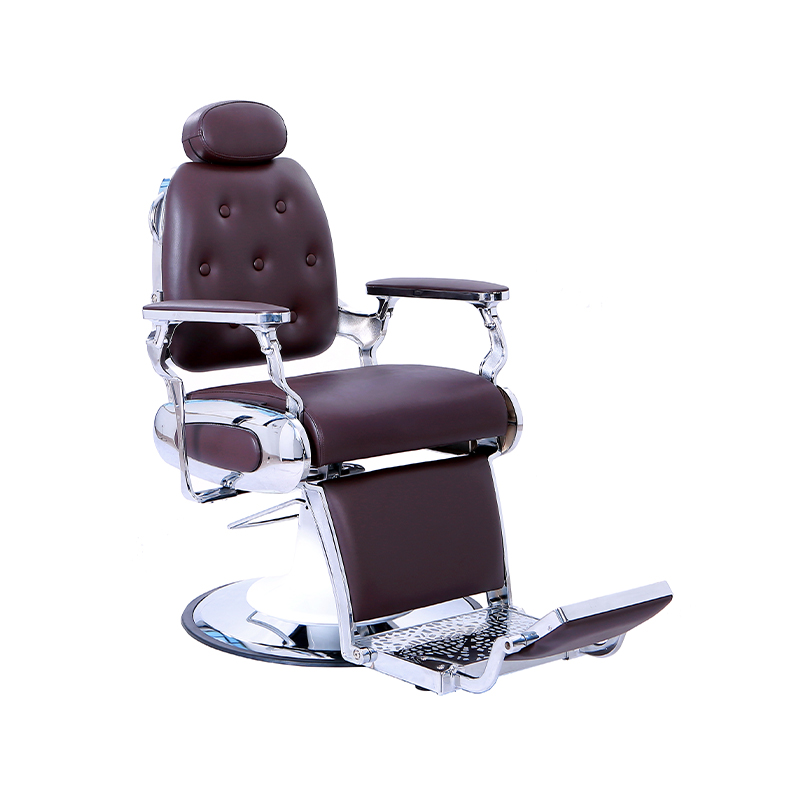
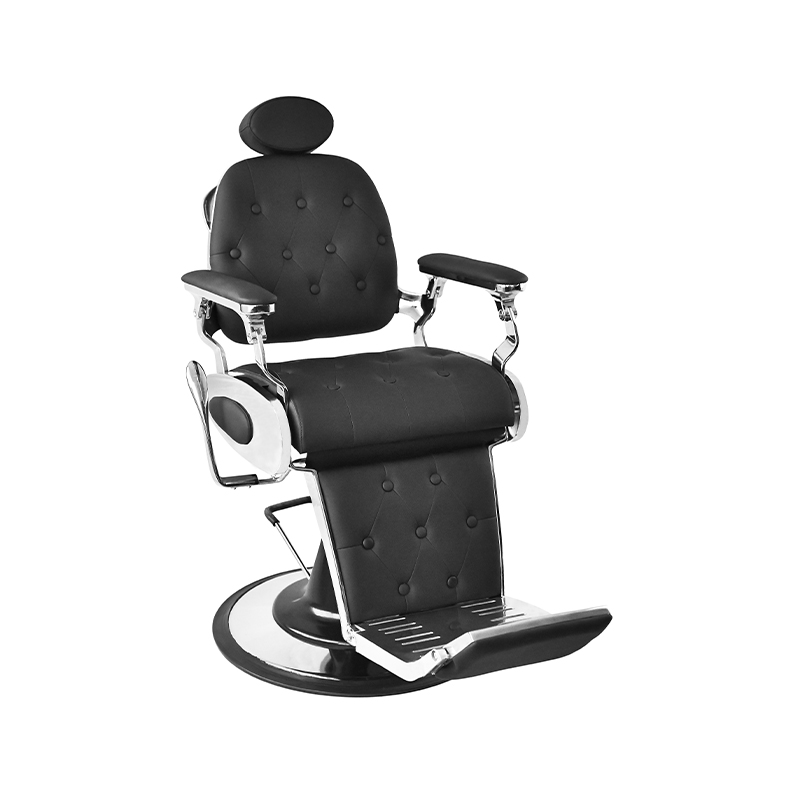
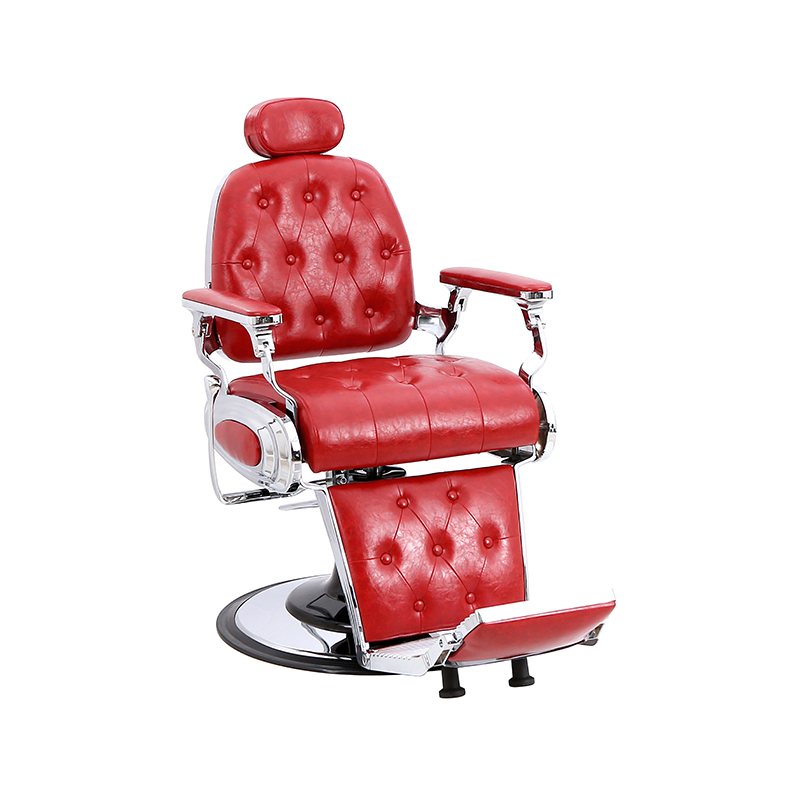
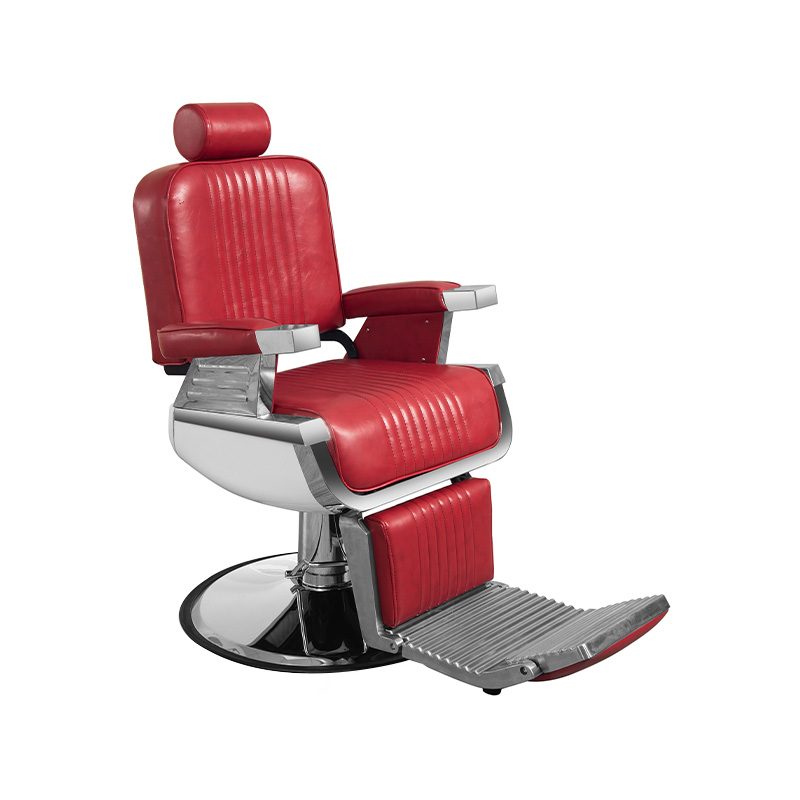
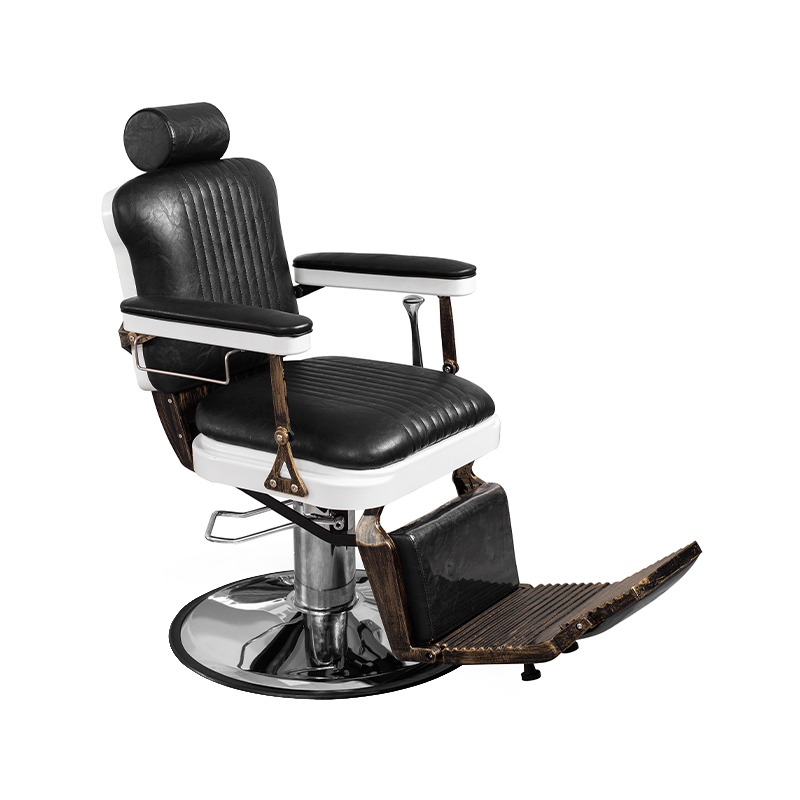
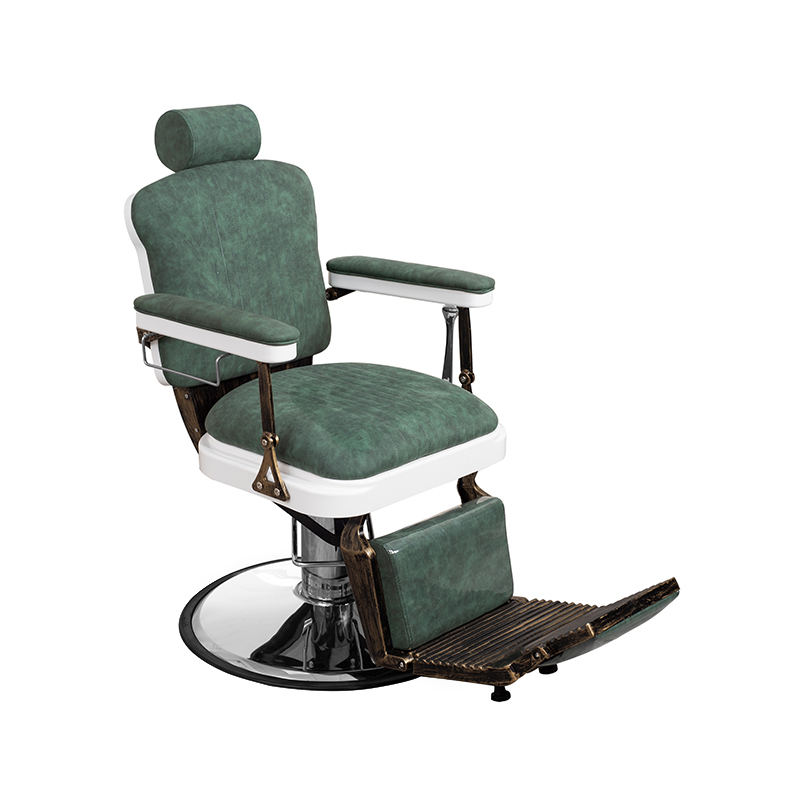
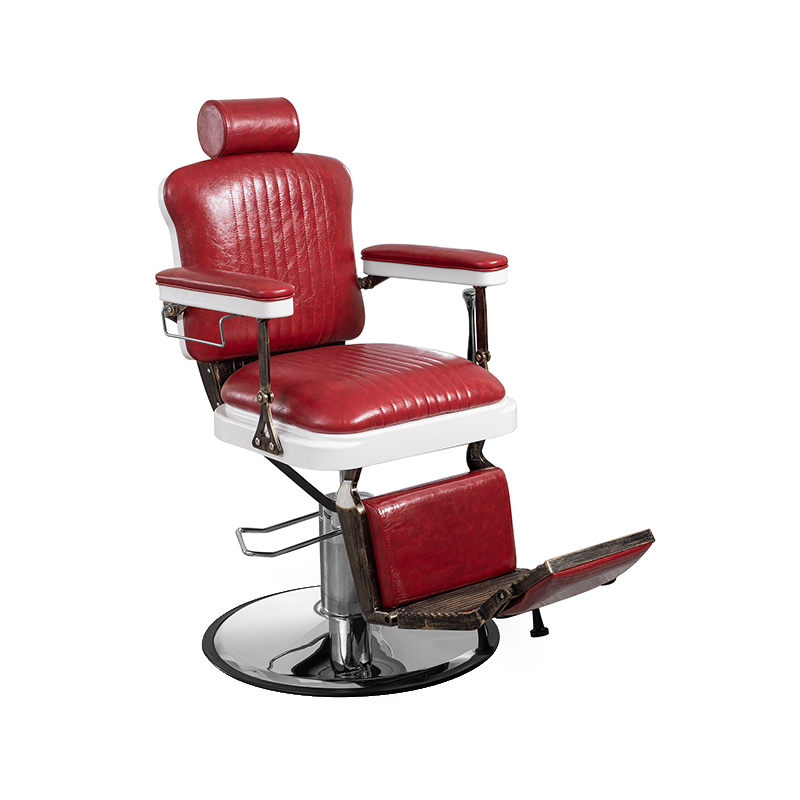
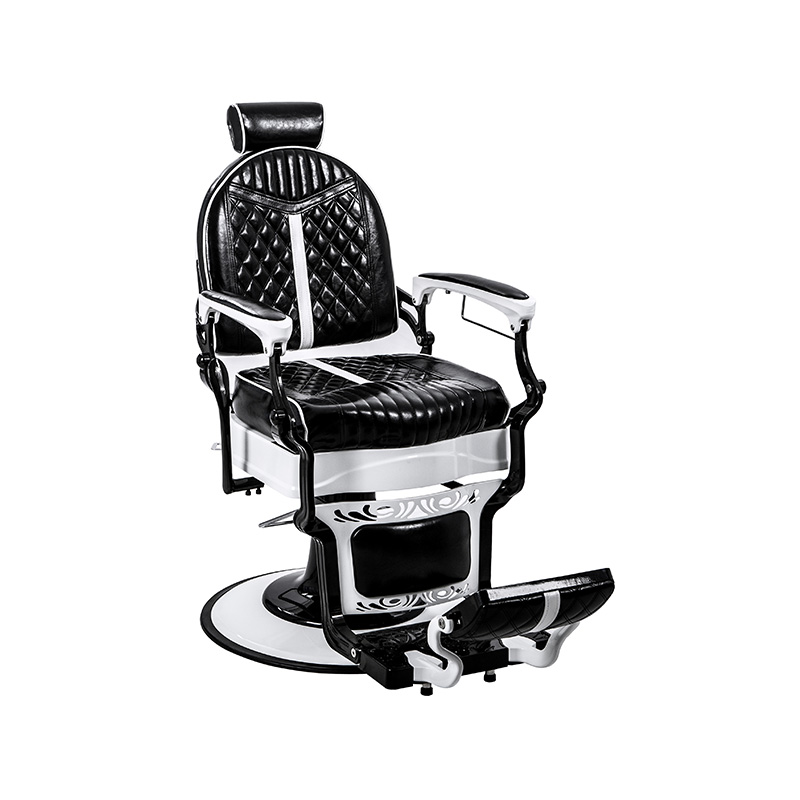
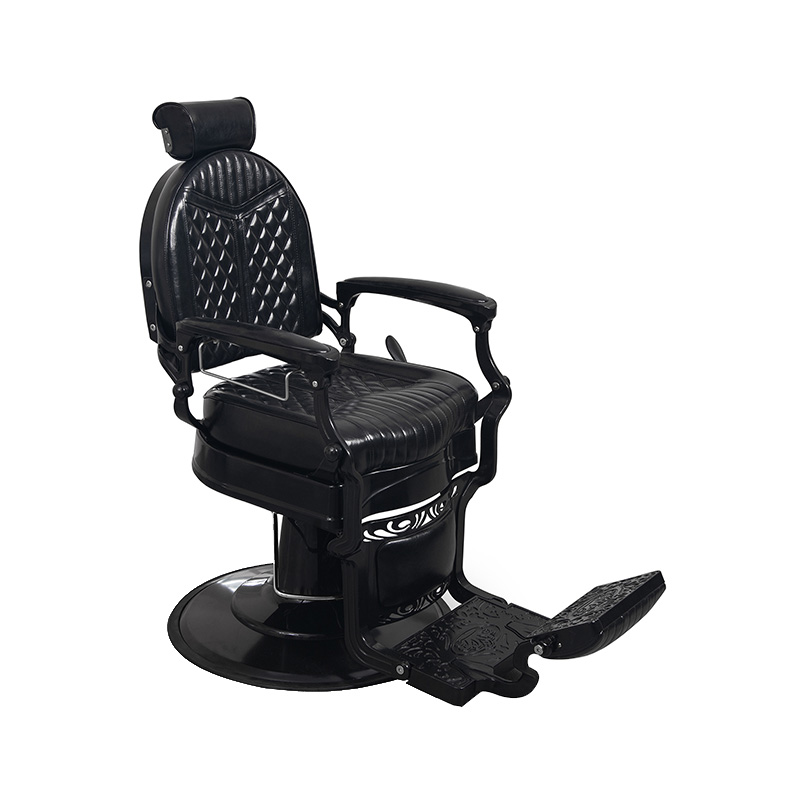
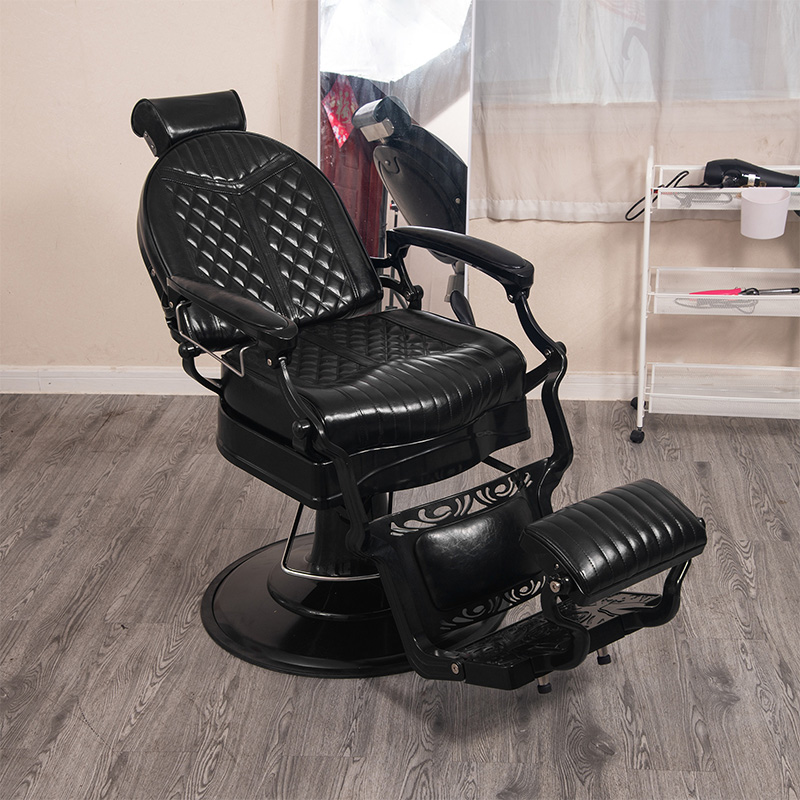
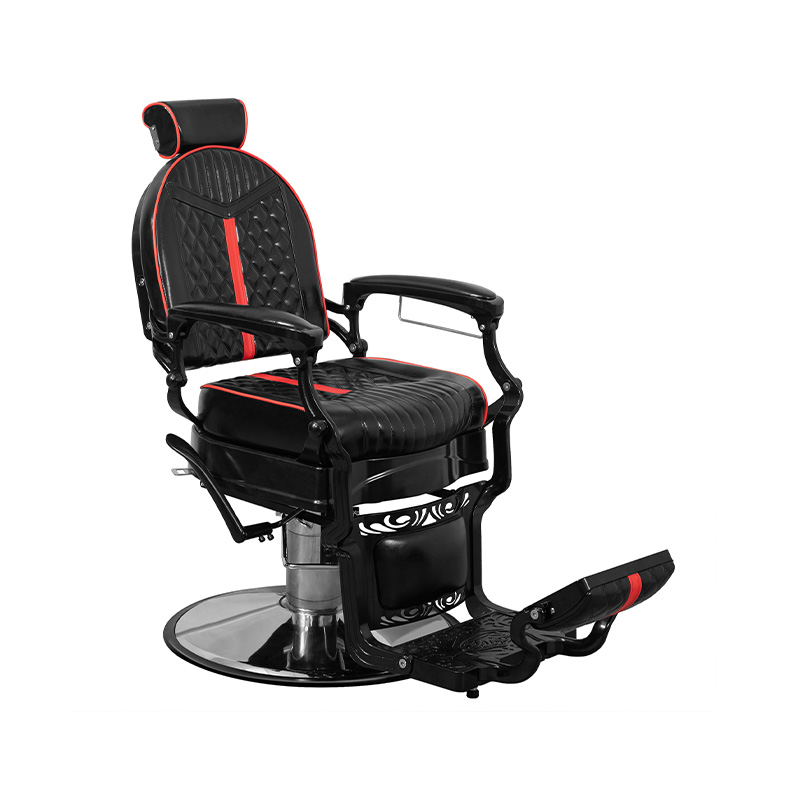
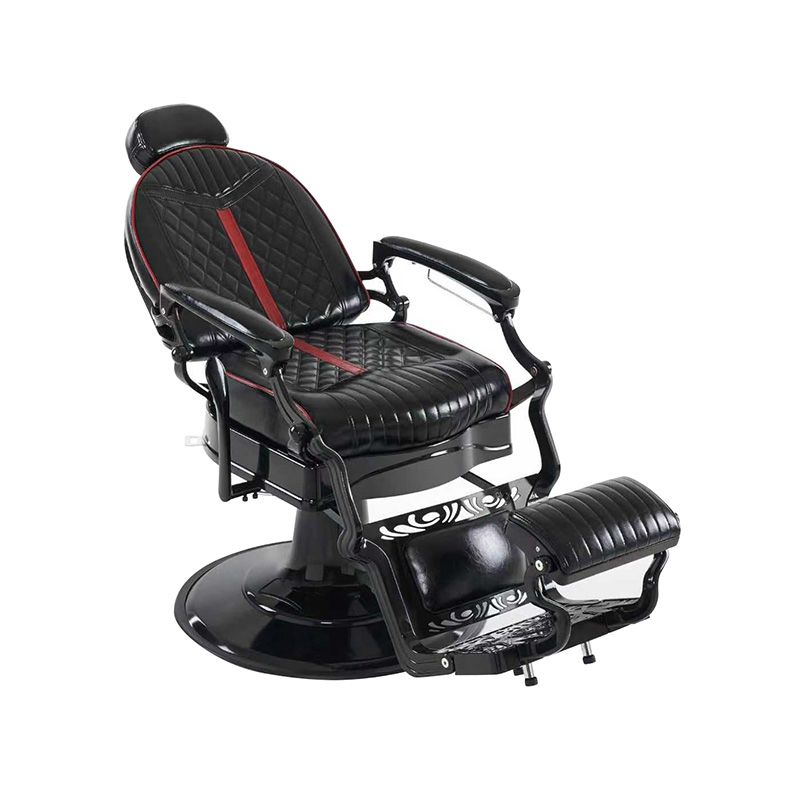
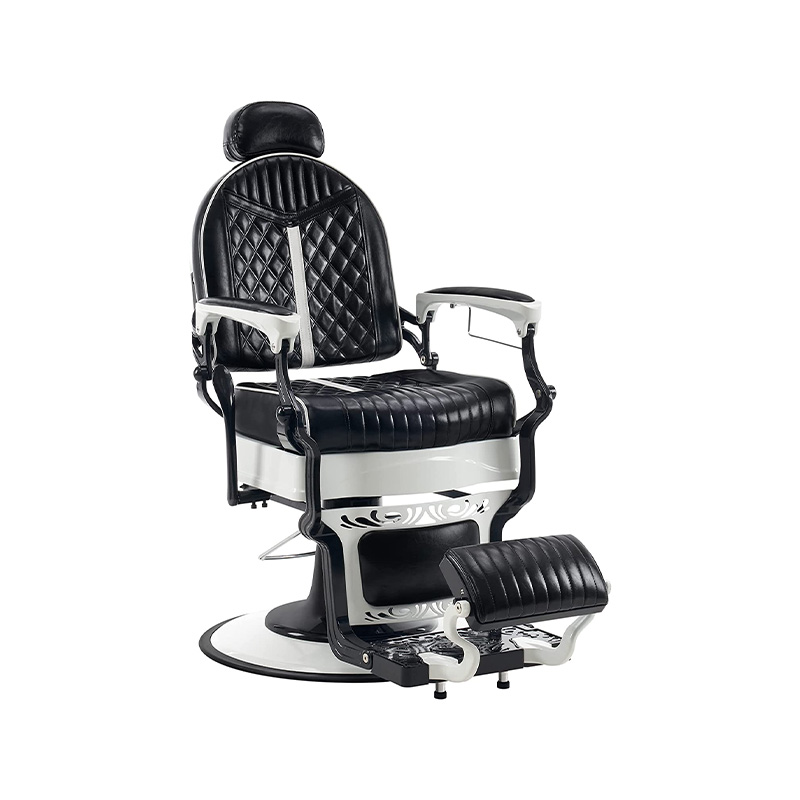
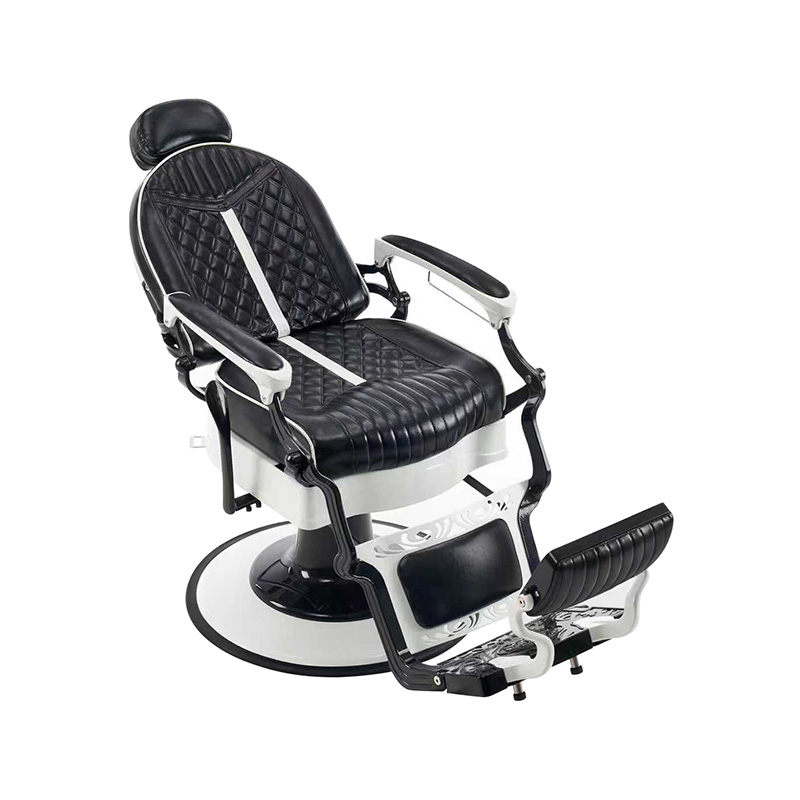
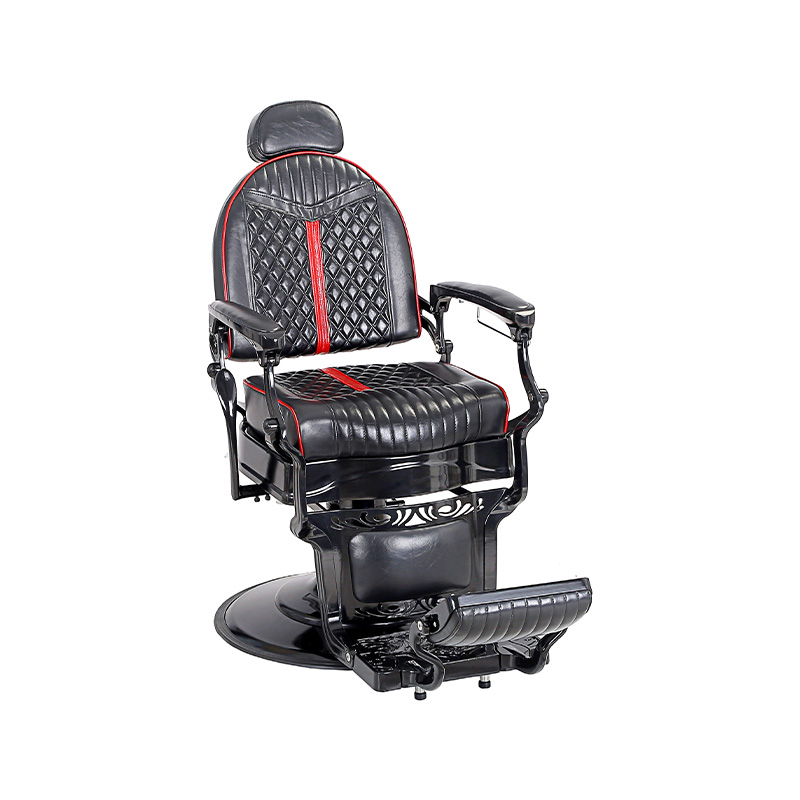
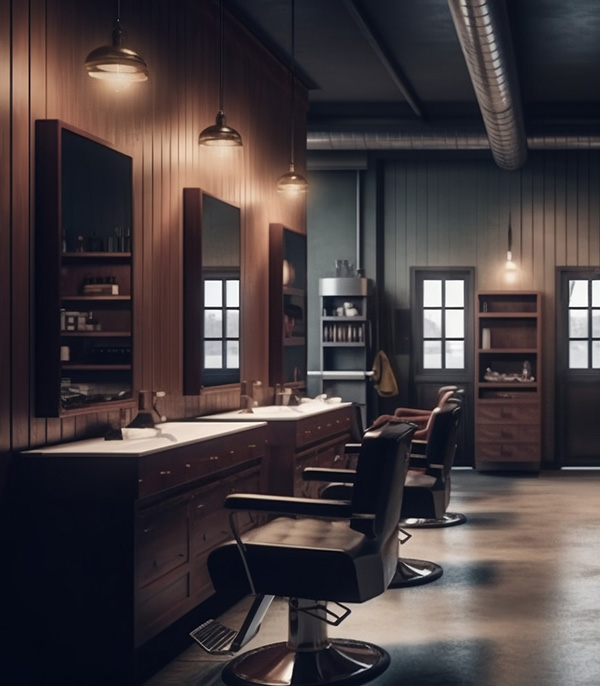
A vintage barber chair — inspired by the classic American barbershop designs of the 1920s to 1960s — features ornate chrome detailing, porcelain enamel accents, button-tufted upholstery, and a prominent footrest. These chairs signal heritage, craft, and tradition. They are ideal for shops building a classic barbershop identity and tend to generate high social media engagement due to their photogenic, nostalgic appearance.
Luxury Barber Chair
A luxury barber chair is defined by premium materials — genuine leather upholstery, solid metal hardware, precision-engineered recline and lift mechanisms — and design details borrowed from high-end furniture aesthetics. These chairs anchor a premium service proposition where the chair itself communicates the quality of the experience before a single service is performed. For executive barbershops, hotel grooming lounges, and destination shops, the luxury chair is a brand investment.
Chair Style Adoption Rate by Shop Concept (%)
This bar chart shows how chair style adoption patterns correlate strongly with shop concept and business model. Chain and franchise operations overwhelmingly favor modern chairs for their visual consistency and ease of replacement ordering, while heritage boutiques lean into vintage designs as a core brand differentiator. Luxury grooming lounges split roughly evenly between luxury and modern styles depending on their specific brand positioning. Notably, barber schools tend to prioritize functional durability over aesthetic — choosing mid-range commercial chairs that can withstand high-frequency use by students learning technique. Understanding where your shop concept sits in this landscape helps narrow the aesthetic decision before you evaluate specific models.
Ergonomics for Barbers: How Chair Design Affects the Person Working, Not Just the Client
The ergonomic impact of a barber chair extends to the professional using it. A poorly designed ergonomic barber chair forces barbers into compensatory postures — hunching over a client who is seated too high, reaching across awkwardly because the chair does not recline fully, or straining to reach the neckline because the headrest is fixed at the wrong height. Over a 10-hour workday, these small postural inefficiencies accumulate into chronic musculoskeletal strain, one of the leading causes of early career exit among professional barbers.
When evaluating an ergonomic barber chair for barber wellbeing, look for: a minimum 8-inch height travel range (to accommodate barbers from 5'2" to 6'4" at their optimal working height); a recline mechanism that is operable with one hand while the barber maintains client contact; and a footrest that stays fixed and level through the full recline range, so the client's body position remains stable during service.
The 360-degree swivel function is another ergonomic essential. A chair that rotates smoothly allows the barber to reposition around the client without asking them to shift — maintaining the client's hair position relative to natural fall and reducing service time. A swivel that requires physical effort to turn, or that clicks and resists at certain positions, adds cumulative fatigue across a full working day.
- Ideal barber working height: seat top at elbow minus 6 inches when standing (typically 36–44 inches seat height)
- Swivel range: full 360 degrees with smooth bearing rotation under client load
- Recline control: single-hand operation with locking positions at 90, 115, and 135 degrees minimum
- Footrest height: adjustable independently of recline angle on higher-end adjustable barber chairs
Sourcing Strategy: OEM, ODM, and Wholesale Considerations for Multi-Station Shops
For shop owners outfitting more than three stations, or for operators building a chain, the sourcing strategy for barber chair wholesale purchasing is as important as the product specification. Sourcing directly from a barber chair manufacturer rather than through a domestic distributor typically reduces unit cost by 25 to 40% and provides access to customization options that distributor catalogs do not offer.
OEM (Original Equipment Manufacturer) sourcing allows buyers to specify exact upholstery colors, logo embroidery, hardware finishes, and packaging — creating a chair that is visually unique to their brand. ODM (Original Design Manufacturer) sourcing goes further, allowing buyers to modify chair dimensions, feature configurations, and structural elements to meet specific market or regulatory requirements. Both approaches are available from professional barber equipment suppliers with integrated manufacturing capabilities.
When evaluating a barber chair manufacturer for wholesale supply, prioritize: production certifications (ISO 9001 minimum); dedicated QC inspection at production stage; sample availability before full order commitment; and documented lead times. A manufacturer with laser cutting, CNC processing, and automated assembly lines — rather than manual production throughout — delivers more consistent tolerances across large orders, which matters when 20 identical chairs need to look and function identically in a flagship location.
Cumulative Cost of Ownership: Entry-Grade vs Commercial-Grade Chair (Indexed)
This line chart models cumulative cost of ownership over ten years for an entry-grade chair (replaced roughly every three years) versus a commercial-grade chair maintained over the full period. The entry-grade chair begins cheaper but crosses above the commercial-grade total cost at approximately year 3.5, when the first replacement is factored in. By year 10, the cumulative cost of three entry-grade chairs plus ongoing maintenance substantially exceeds the commercial-grade chair's total cost — which includes only routine upholstery cleaning and occasional hydraulic fluid top-up. This analysis demonstrates why selecting a commercial barber chair from a reputable barber chair manufacturer is the more economical decision over the operating life of a professional shop, despite the higher initial investment.
About Ningbo HongZi Beauty and Hairdressing Equipment
Ningbo HongZi Beauty and Hairdressing Equipment Co., Ltd. is a professional enterprise specializing in the research, development, manufacturing, and export of barber chairs, beauty beds, shampoo chairs, and related salon furniture. Located in Sanqishi, Yuyao, Zhejiang Province, the company operates across 22,000 square meters of integrated manufacturing space with a team of more than 120 staff and an annual output value of 120 million RMB.
As a professional China OEM salon barber chair manufacturer and ODM barber chair factory, HongZi brings together specialized production machinery — including laser plate cutters, CNC leather cutters, pipe cutters, punching machines, and embroidery equipment — alongside automated production lines for welding, cotton pasting, and assembly. The dedicated sofa workshop features a complete upholstery processing flow, enabling fully integrated manufacturing from structural steel components to finished leather surfaces in a single facility.
This vertical integration gives clients seeking barber chair wholesale volumes a single-source solution with stable quality, consistent finishing detail, and customization capability across upholstery color, hardware finish, logo application, and chair configuration. HongZi serves clients across global markets as a trusted barber equipment supplier and barber shop furniture manufacturer.
Frequently Asked Questions
Q1: What is the difference between a hydraulic barber chair and a regular salon chair?
A hydraulic barber chair uses a foot-pump hydraulic cylinder to raise and lower the seat height during service, allowing the barber to work at an ergonomically appropriate level for each client and service type. A regular salon chair typically has a fixed or manually adjustable height without hydraulic assistance, offering less precision and requiring more physical effort to adjust.
Q2: How much weight should a commercial barber chair support?
A heavy duty barber chair designed for commercial use should support a minimum of 350 lbs (160 kg) across all height and recline positions. Entry-grade chairs rated at 220–250 lbs may create safety and liability concerns in a public commercial setting. Always verify the chair's rated capacity with the manufacturer's specification documentation before purchase.
Q3: How long does a professional barber chair typically last?
A properly specified professional barber chair with a commercial-grade hydraulic pump, welded steel frame, and high-density PU upholstery will reliably serve 10 to 15 years in a busy shop with proper maintenance. Entry-grade chairs in commercial environments typically require replacement within 2 to 4 years due to pump failure, foam compression, or frame fatigue.
Q4: Can I order barber chairs with custom upholstery colors and branding?
Yes. Reputable barber chair manufacturers offering OEM and ODM services can produce chairs with custom upholstery colors, embroidered logos, and specific hardware finishes to match a shop's brand identity. Minimum order quantities for customization typically start at 10 to 20 units depending on the manufacturer's production setup.
Q5: What chair features are most important for a full-service barbershop offering shaves?
For shops offering straight razor or hot towel shaves, a reclining barber chair that reaches 135 to 150 degrees is essential, along with an independently adjustable barber chair with headrest that supports the client's neck during the reclined position. A smooth, single-lever recline lock mechanism that holds its angle without drift is equally critical for safe, precise shaving work.
Q6: What is the best way to clean and maintain barber chair upholstery?
PU leather upholstery — the standard on most commercial barber chairs — should be wiped between clients with a damp cloth and mild disinfectant. Avoid alcohol-based cleaners at high concentration, which can degrade PU surface coatings over time. Deep clean weekly with a dedicated vinyl and PU conditioner to maintain surface flexibility and prevent cracking at seam stress points.